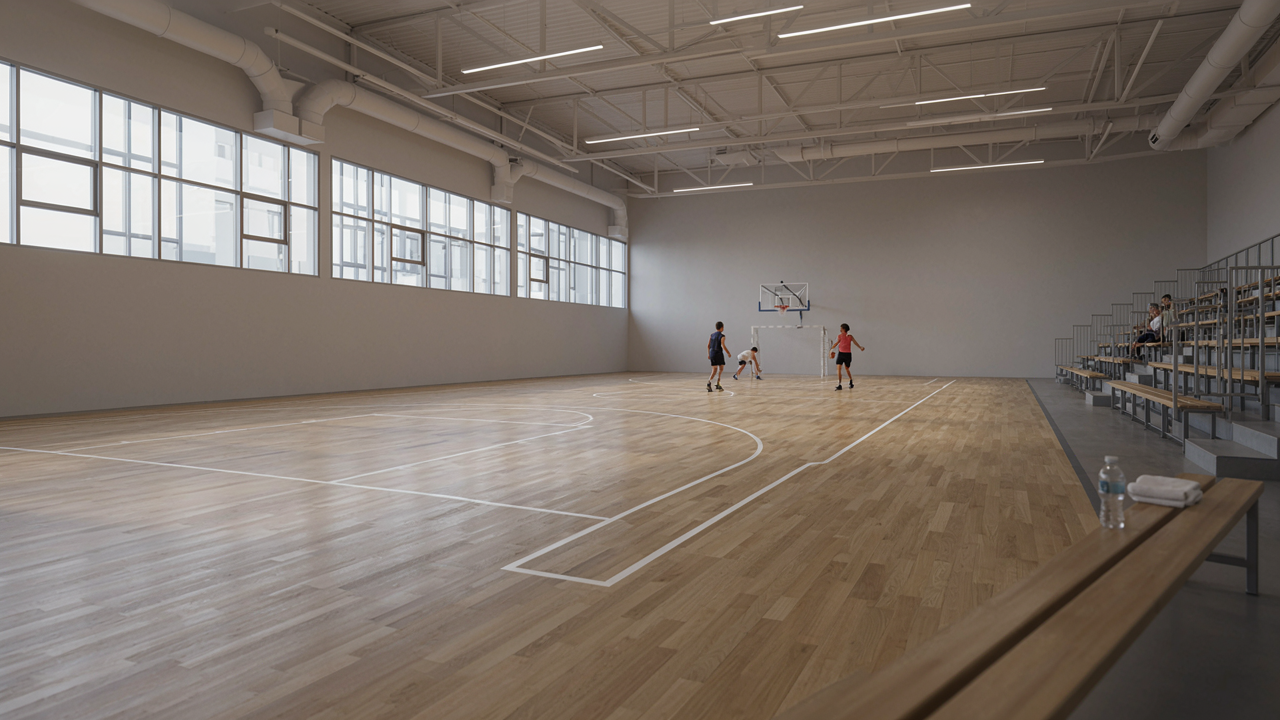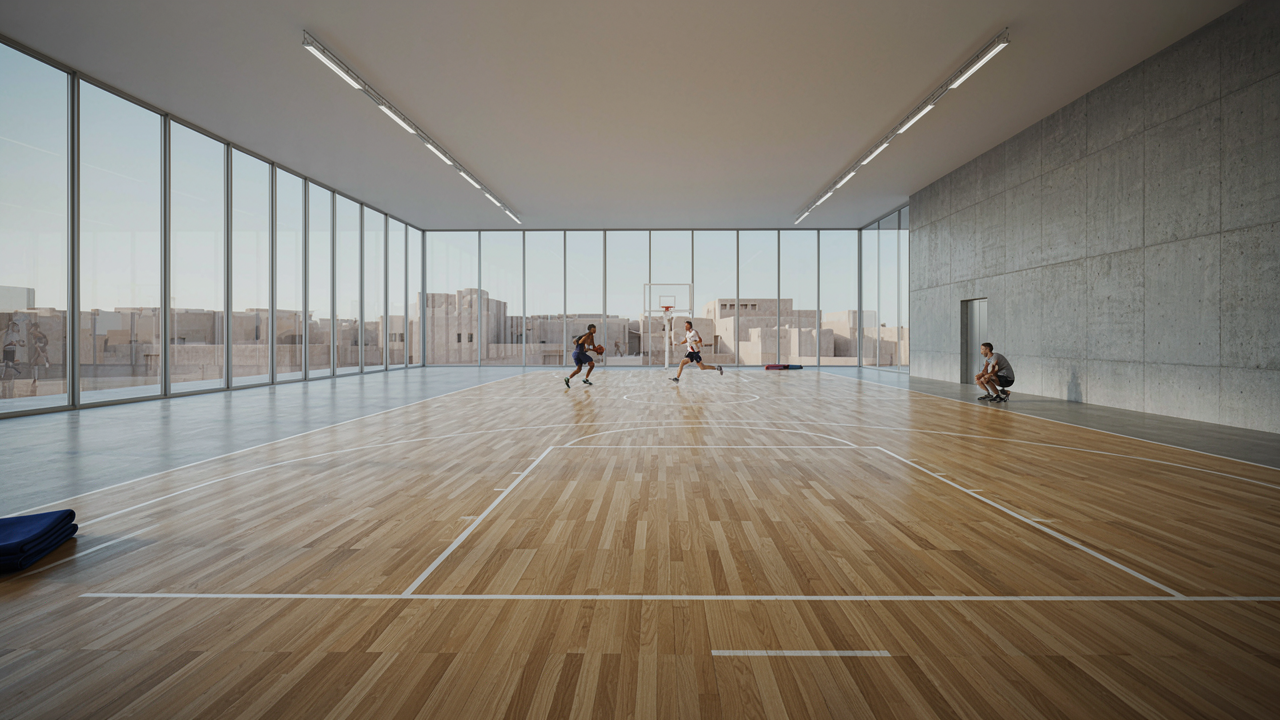
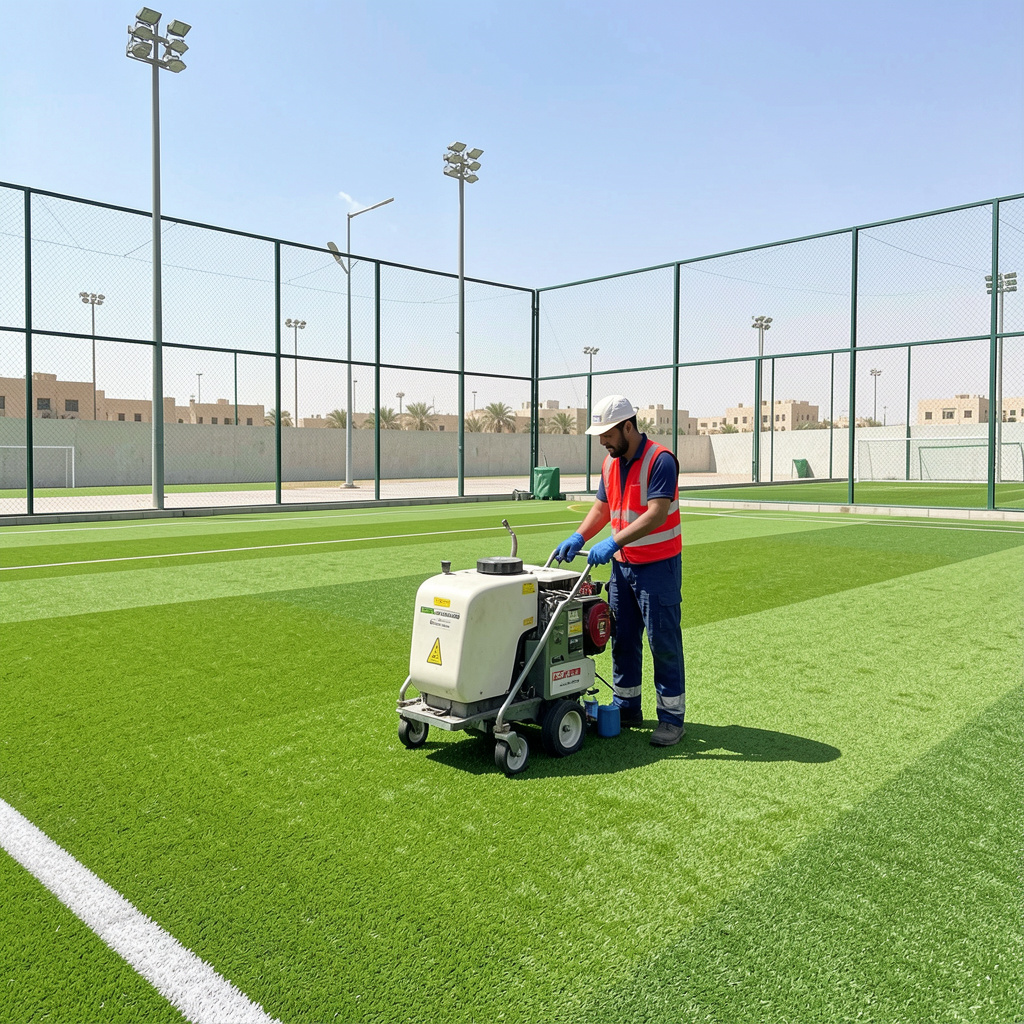
Artificial sports turf is widely used for football fields, training grounds, multi-sport facilities, schools, academies, and recreational spaces across the UAE. It provides a consistent playing surface and can handle regular use, but it still requires proper maintenance to remain safe, functional, and visually appealing.
The UAE’s dusty environment, high temperatures, frequent usage, and outdoor exposure can gradually affect artificial turf if routine maintenance is neglected.
A proper artificial sports turf care programme in UAE should include regular cleaning, brushing, infill management, drainage checks, seam inspections, and timely repairs.
This guide explains the essential maintenance practices that can help extend the service life of artificial sports turf.
Why Is Artificial Sports Turf Maintenance Important?
Artificial turf does not require the same maintenance as natural grass, but it is not maintenance-free.
Regular care helps:
- Remove dust and debris
- Maintain the appearance of the turf
- Keep turf fibres upright
- Maintain consistent playing conditions
- Protect the infill system
- Identify damaged areas early
- Support proper drainage
- Reduce premature wear
- Extend the useful life of the turf
For sports facilities with frequent training sessions and matches, regular maintenance becomes even more important.
Common Problems Affecting Artificial Sports Turf in UAE
Several factors can affect artificial turf performance over time.
Dust and Sand Accumulation
Fine dust and sand can settle between turf fibres and within the infill layer. Without regular cleaning, accumulation can affect the playing characteristics of the surface.
Flattened Turf Fibres
Frequent foot traffic can cause turf fibres to become flattened, particularly in high-use areas such as penalty spots, goal areas, and training zones.
Infill Displacement
Sports activity can gradually move infill away from certain areas. Uneven infill distribution can affect the consistency of the playing surface.
Seam Damage
The joints between turf sections can become damaged or separated due to wear, installation issues, or excessive use.
Drainage Problems
Blocked drainage pathways can lead to water accumulation after cleaning or rainfall, potentially affecting the usability of the sports surface.
Daily Artificial Turf Care
A simple routine can help keep artificial turf in good condition.
Remove Surface Debris
Leaves, rubbish, branches, and other debris should be removed regularly.
This is especially important for outdoor sports facilities where environmental debris can accumulate.
Check High-Use Areas
Facility staff should regularly inspect areas that receive heavy activity.
Common high-use areas include:
- Goal mouths
- Penalty areas
- Centre zones
- Training areas
- Entry points
Early identification of wear can help prevent more extensive damage.
Keep the Surface Clean
Dust and loose contaminants should be removed using appropriate equipment and methods suitable for artificial sports turf.
Brushing Artificial Sports Turf
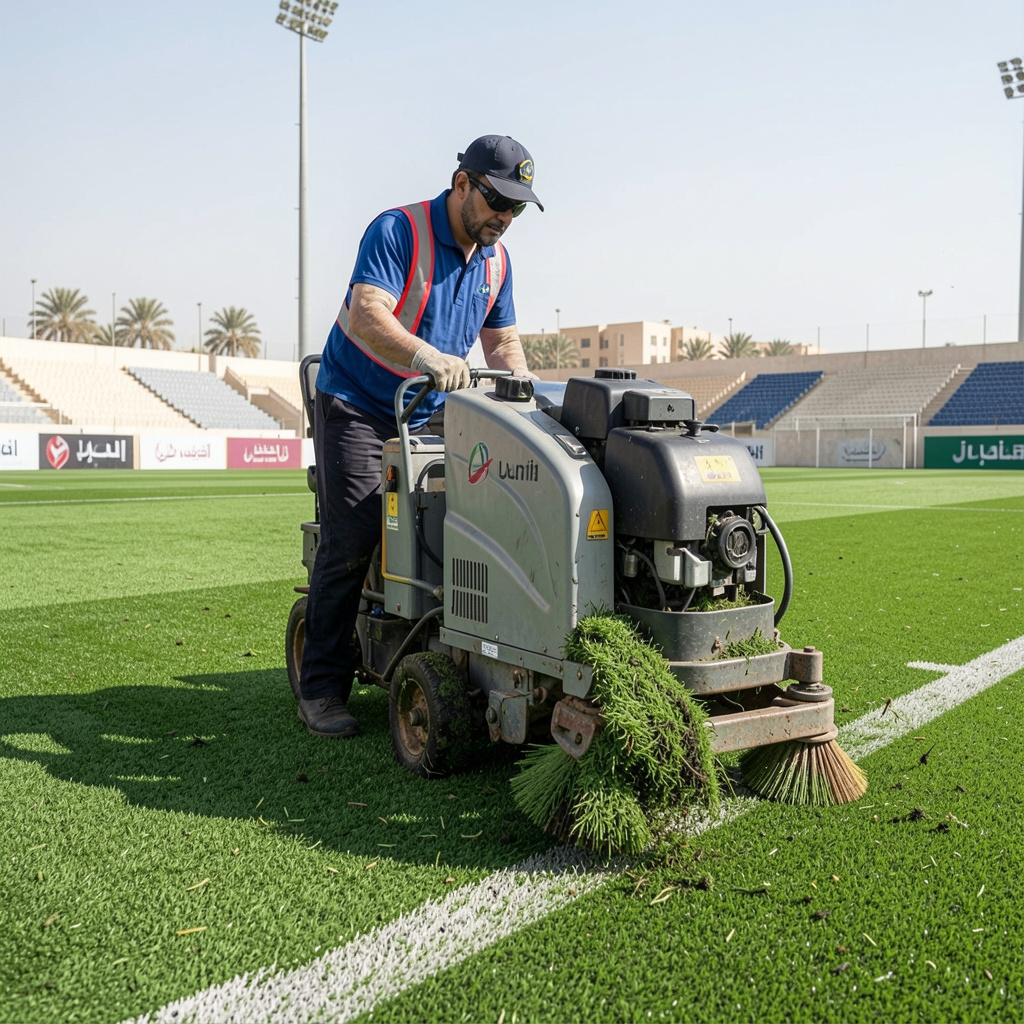
Regular brushing is an important part of artificial sports turf care.
Brushing can help:
- Lift flattened turf fibres
- Redistribute infill
- Reduce uneven wear
- Maintain a more consistent surface
- Improve the overall appearance
The frequency and equipment used should depend on the turf system, level of usage, and manufacturer’s recommendations.
Aggressive or inappropriate brushing can damage turf fibres, so the maintenance equipment should be suitable for the installed system.
Artificial Turf Infill Maintenance
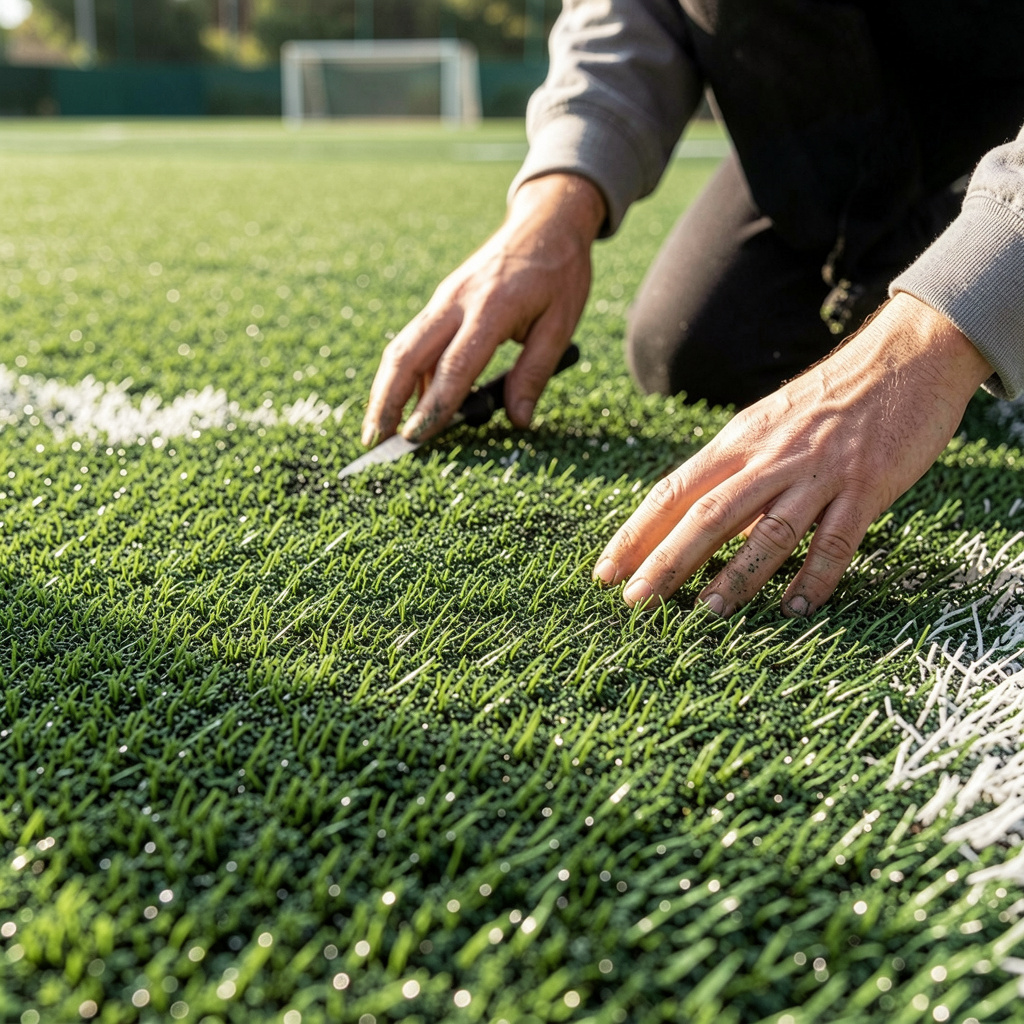
Many sports turf systems use infill to support turf fibres and influence the characteristics of the playing surface.
Over time, infill may become displaced or compacted.
Regular inspections can help identify:
- Low-infill areas
- Uneven distribution
- Compacted sections
- Excessive infill movement
- Areas requiring additional maintenance
Maintaining an appropriate infill level is an important part of long-term turf performance.
Artificial Turf Cleaning in UAE
Outdoor sports turf can accumulate dust, sand, leaves, and other contaminants.
Cleaning should be carried out using appropriate equipment and methods rather than aggressive techniques that could damage the turf.
The cleaning programme should consider:
- Frequency of use
- Location of the facility
- Amount of dust and debris
- Type of turf
- Infill system
- Weather exposure
Facilities located in particularly dusty environments may require more frequent cleaning.
How to Prevent Artificial Turf Damage
Preventive measures can significantly reduce unnecessary wear.
Control Access
Limit unnecessary vehicle and heavy equipment access to the playing surface.
Use Suitable Sports Footwear
Players should use footwear appropriate for the particular artificial turf system.
Avoid Dragging Heavy Equipment
Goals, benches, equipment, and other heavy objects should be moved carefully to avoid damaging turf fibres or seams.
Clean Contaminants Promptly
Oil, food, drinks, chemicals, and other contaminants should be addressed quickly using appropriate cleaning procedures.
Maintain Surrounding Areas
Keeping areas around the turf clean can reduce the amount of dust and debris entering the playing surface.
Artificial Turf Repair UAE
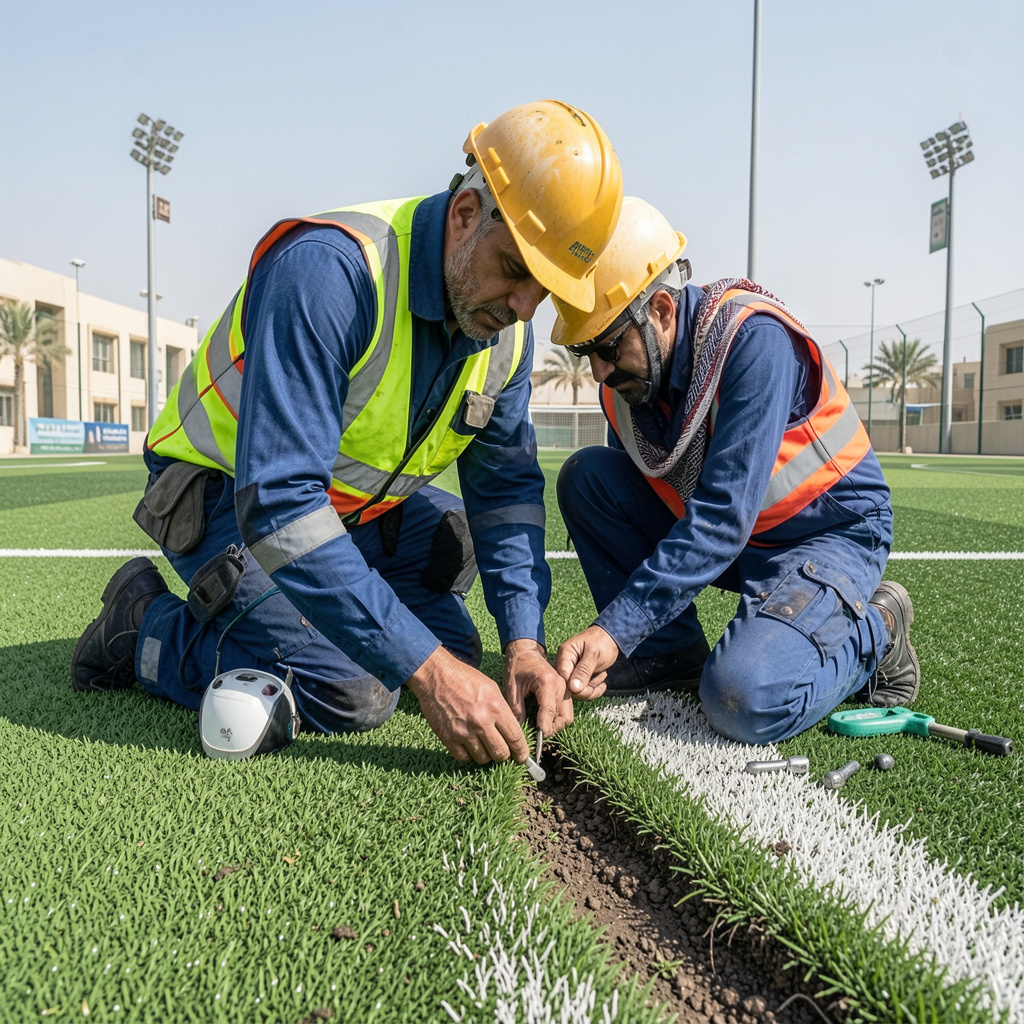
Even with proper maintenance, artificial turf can eventually develop localised damage.
Artificial turf repair in UAE may be required when the surface develops:
- Torn turf
- Damaged seams
- Separated joints
- Burn marks
- Localised worn areas
- Damaged backing
- Loose sections
- Infill loss
- Surface irregularities
The appropriate repair method depends on the type and extent of damage.
Common Artificial Turf Repair Methods
Seam Repair
Damaged or separated seams may require professional attention to restore the connection between turf sections.
Localised Turf Replacement
If a specific section is badly damaged, the affected area may be removed and replaced rather than replacing the entire field.
Infill Replenishment
Areas with insufficient or displaced infill may require appropriate replenishment and redistribution.
Fibre Restoration
Flattened or worn turf may sometimes be restored through professional brushing and maintenance, depending on its condition.
A professional assessment should determine whether the turf requires routine maintenance, localised repair, or more extensive replacement.
How Often Should Artificial Sports Turf Be Maintained?
There is no universal maintenance schedule for every artificial turf field.
The required frequency depends on:
- Daily usage
- Type of sport
- Number of players
- Turf specification
- Infill system
- Environmental conditions
- Facility location
A frequently used football training ground will generally require more attention than a lightly used recreational field.
A maintenance programme may include routine cleaning and brushing, periodic inspections, infill checks, and professional maintenance at appropriate intervals.
Signs Your Artificial Turf Needs Professional Attention
Facility managers should arrange an inspection when they notice:
- Visible tears
- Open seams
- Significant fibre flattening
- Uneven infill
- Persistent water accumulation
- Severe surface wear
- Loose turf sections
- Changes in playing characteristics
- Significant discolouration
- Localised damage in high-use areas
Addressing these issues early may help reduce the extent and cost of future repairs.
Artificial Turf Maintenance vs Replacement
Not every damaged artificial turf field needs complete replacement.
Maintenance is suitable for routine cleaning, brushing, infill management, and preventive care.
Repair is suitable for localised problems such as damaged seams, small tears, or isolated worn sections.
Replacement may be considered when the turf has extensive deterioration or has reached the end of its expected service life.
A professional inspection can help determine the most suitable option.
Benefits of Professional Artificial Turf Maintenance
Professional maintenance can help sports facility operators manage their turf more effectively.
Consistent Playing Surface
Regular care can help maintain more consistent surface characteristics.
Better Appearance
Clean and properly maintained turf creates a more professional environment for athletes and visitors.
Early Problem Detection
Regular inspections can identify damaged areas before they become more extensive.
Longer Turf Life
Proper maintenance can help reduce unnecessary wear and potentially extend the useful life of the turf system.
Better Long-Term Cost Management
Preventive care and timely repairs can help reduce the need for premature full-surface replacement.
Choosing an Artificial Turf Maintenance Partner in UAE
When selecting a contractor, consider their experience with artificial sports turf and their understanding of the specific turf system installed at your facility.
A suitable contractor should be able to assess:
- Turf condition
- Fibre wear
- Seam integrity
- Infill distribution
- Drainage
- High-use areas
- Localised damage
They should also be able to recommend whether the surface needs routine maintenance, repair, restoration, or replacement.
Final Thoughts
Proper artificial sports turf care in UAE is essential for maintaining a safe, consistent, and durable playing surface. Regular cleaning, brushing, infill management, inspections, and timely repairs can help protect the turf from unnecessary deterioration.
The UAE’s environmental conditions make preventive maintenance particularly important for outdoor sports facilities. Instead of waiting until visible damage becomes extensive, facility owners should establish a regular maintenance and inspection programme.
For artificial turf maintenance, repair, restoration, or sports surface solutions, Anfield can assess your facility’s requirements and recommend a suitable approach based on the condition and type of turf installed.