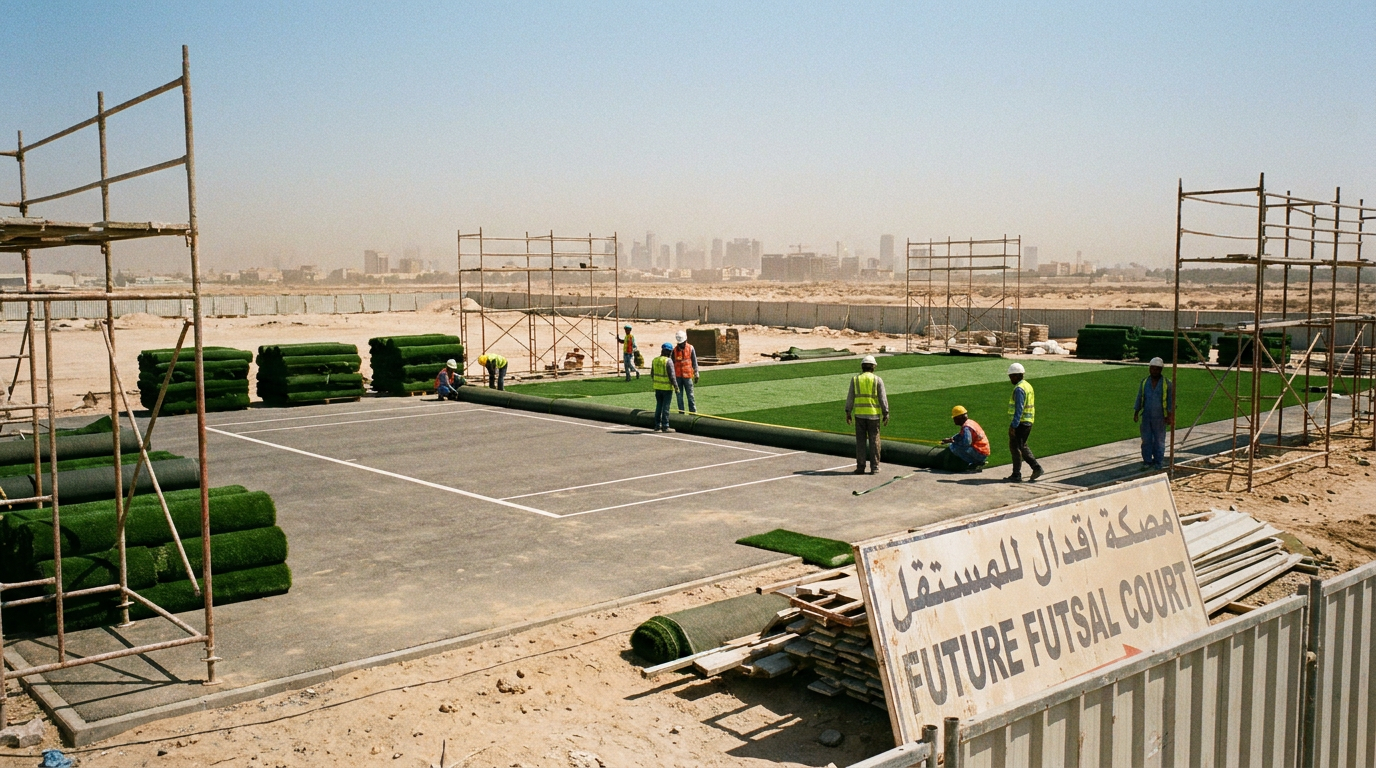
Converting an existing tennis court into a futsal facility can help schools, sports clubs, residential communities, and recreational centres make better use of their available space. Tennis court to futsal court conversion in the UAE requires careful planning to ensure the playing area, surface, markings, goals, and safety features are suitable for futsal. Before starting the conversion, it is important to assess the existing court and determine which modifications are needed.
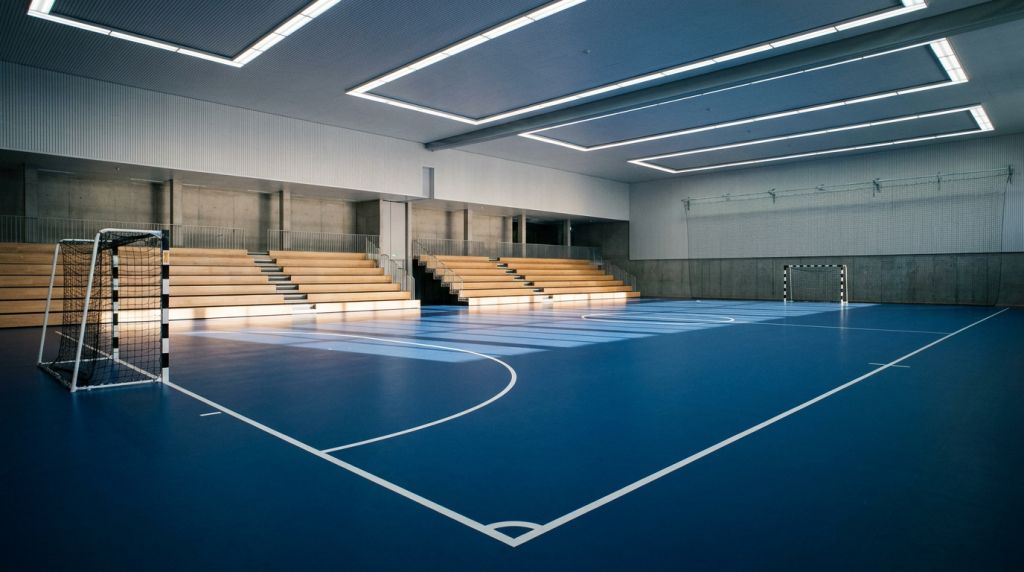
Why Convert a Tennis Court into a Futsal Court?
Futsal is a fast-paced form of football played on a smaller court, generally with five players per team, including the goalkeeper. It is popular among schools, sports academies, indoor sports facilities, and community recreation centres.
An existing tennis court may offer a useful starting point for a futsal project. However, the conversion should not be based on available space alone. The court dimensions, surface condition, surrounding clearance, and intended use must all be evaluated before construction begins.
For property owners and facility managers exploring tennis court conversion in Dubai, a professional site assessment can help determine whether the existing layout is suitable for futsal and what changes may be required.
1. Assess the Existing Court Dimensions
Court dimensions are one of the first considerations when planning a conversion. Tennis courts and futsal courts have different playing layouts, boundary markings, and space requirements.
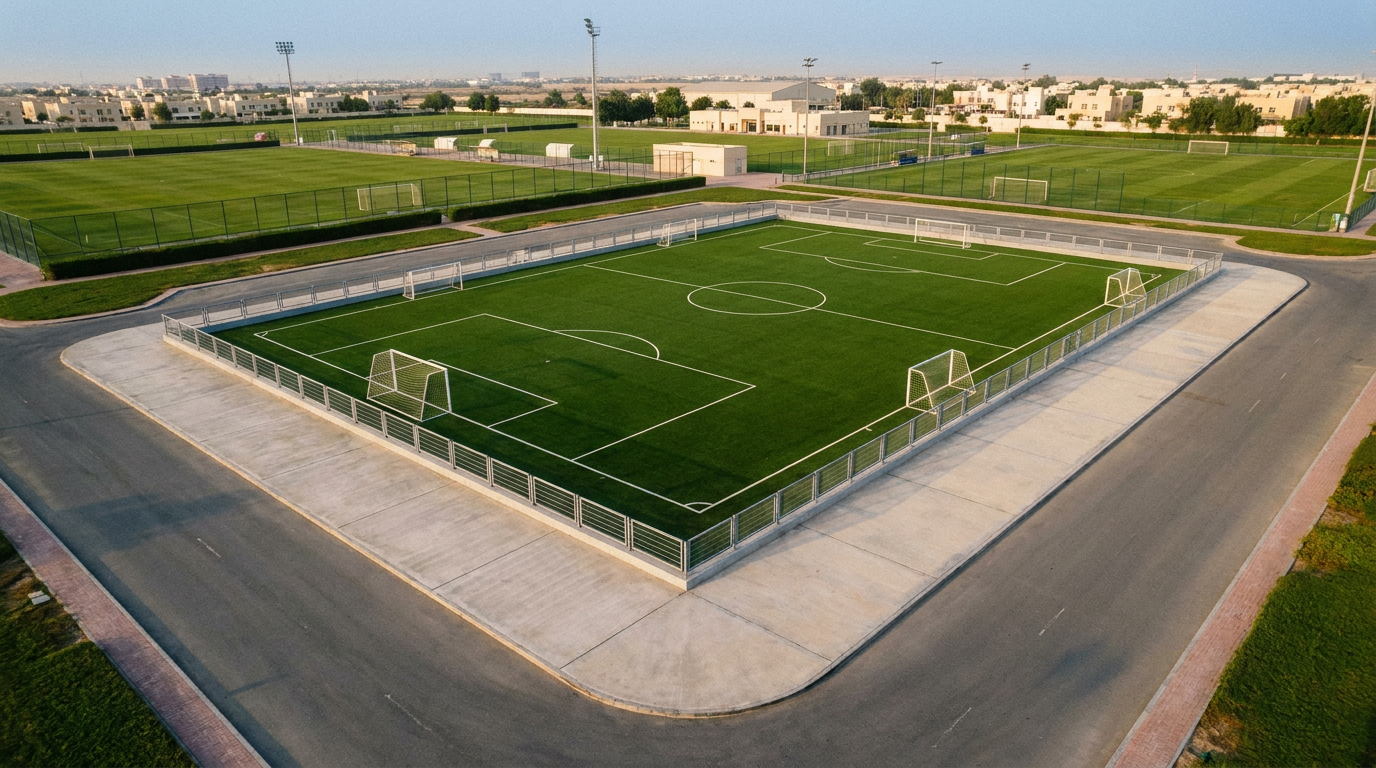
The standard futsal court dimensions specified by FIFA are generally 25–42 metres in length and 16–25 metres in width for non-international matches. International matches have a narrower range of permitted dimensions. The applicable competition rules should be checked before finalising the design.
During the assessment, consider:
- The available length and width of the existing tennis court
- The usable playing area after allowing for safety clearances
- Space for goals, access routes, and surrounding facilities
- Whether the proposed layout meets the intended level of play
Not every tennis court will accommodate a regulation futsal layout. If space is limited, a recreational or training court may be possible, depending on the requirements and available area.
2. Choose the Right Futsal Court Surface
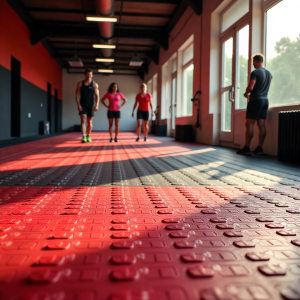
The surface plays an important role in ball movement, traction, player comfort, and overall usability. The most suitable option depends on whether the futsal facility will be indoors or outdoors, the existing base, expected usage, and maintenance requirements.
For indoor futsal, suitable sports flooring systems may include specialist synthetic surfaces or other systems designed for indoor sports use. Outdoor courts may require a surface that can withstand weather exposure, heat, and regular use.
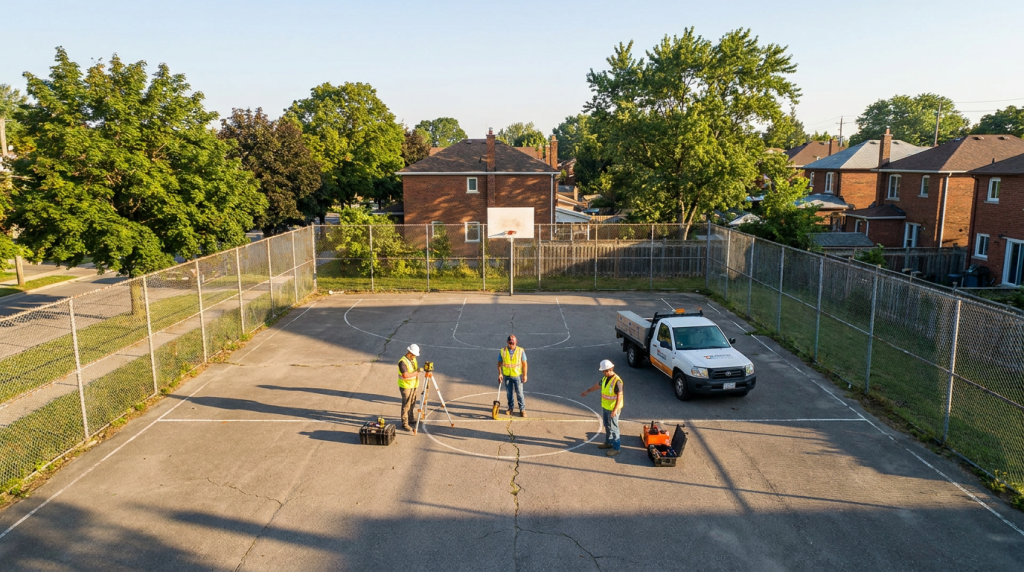
Before selecting a new surface, inspect the existing tennis court for cracks, uneven areas, surface deterioration, and drainage issues. An existing surface should not automatically be reused simply because it appears to be in reasonable condition.
For projects that need a new playing surface, futsal court flooring UAE can be considered as a relevant service topic when evaluating available sports flooring solutions. The final flooring specification should match the intended playing environment and technical requirements.
3. Plan the Futsal Court Markings
Tennis court markings cannot simply be reused for futsal. The playing area needs a dedicated layout that follows the applicable futsal rules.
The markings typically include:
- Touchlines and goal lines
- The halfway line and centre circle
- Penalty areas and penalty marks
- Corner areas
- Goal positions and other required markings
The exact layout should be finalised before applying the markings. Accurate measurements help ensure that the playing area is clear and functional, while the correct colours and contrast make the lines easy to distinguish from other court markings.
If the facility will also be used for tennis or other sports, a multipurpose layout may be considered. However, overlapping lines should be planned carefully to avoid confusion during play.
4. Install Suitable Futsal Goals
Futsal goals differ from standard outdoor football goals. Under standard futsal rules, the goals measure 3 metres wide and 2 metres high.
The goal system should be appropriate for the facility, securely installed, and suitable for the intended use. Depending on the project, fixed or approved portable goal systems may be considered.
The surrounding area should also be assessed to provide adequate clearance and reduce the risk of players colliding with nearby fences, walls, lighting poles, or other structures.
Goal placement, anchoring, and safety provisions should be confirmed as part of the court design rather than treated as an afterthought.
5. Check the Base, Drainage and Surface Condition
The existing court base must be evaluated before any new flooring or markings are installed. Cracks, settlement, unevenness, and poor drainage can affect the quality and durability of the finished court.
For outdoor facilities in the UAE, drainage and weather exposure deserve particular attention. Water accumulation can affect playing conditions and may contribute to premature surface deterioration.
A conversion assessment should check:
- Surface level and overall condition
- Existing cracks or damaged areas
- Drainage routes and water accumulation
- Base stability and any necessary repairs
- Compatibility between the existing base and proposed flooring
Where required, repairs and preparation should be completed before installing the new surface. The appropriate work will depend on the condition of the existing court and the selected flooring system.
6. Consider Fencing, Lighting and Player Safety
A well-planned futsal court needs more than a suitable playing surface. Fencing, access points, lighting, and the surrounding environment all affect usability.
For outdoor courts, fencing can help keep the ball within the playing area. The fence height, material, and positioning should be selected according to the site layout and intended use.
Lighting is another important consideration for facilities that operate during the evening. It should provide suitable visibility across the playing area while minimising glare and dark spots.
The design should also account for safe access, appropriate clearance around the playing area, and the condition of nearby structures. Schools and community facilities may have additional requirements depending on the users and the type of activities planned.
7. Understand the Cost of Tennis Court to Futsal Court Conversion
The cost of converting a tennis court into a futsal court in the UAE depends on the amount of modification required. A court with a stable base and suitable dimensions may need fewer changes than one requiring extensive repairs or a new flooring system.
Common cost factors include:
- Site inspection and design planning
- Repairs to the existing base
- Removal or preparation of the current surface
- New sports flooring, where required
- Futsal markings and goal installation
- Fencing, lighting, and safety improvements
- Labour, equipment, and project access requirements
The most appropriate way to estimate the budget is to assess the existing facility and define the project scope before selecting materials or starting work.
Planning a futsal court conversion starts with understanding the existing court’s dimensions, surface condition, and intended use. If you are considering a different type of conversion, read our guide on tennis court to football court conversion to learn about the key requirements, surface preparation, safety considerations, and planning involved in adapting an existing tennis court.
8. Work with a Sports Court Construction Specialist
A tennis-to-futsal conversion involves several connected decisions, from dimensions and surface selection to markings, drainage, and safety. Coordinating these elements during the planning stage can help avoid unnecessary changes later.
Anfield provides sports facility and flooring solutions for different sporting environments. If you are planning a conversion project, explore Anfield’s specific sports facilities to learn more about the available solutions.
A professional assessment can help establish whether the existing tennis court is suitable for conversion, which upgrades are necessary, and how the new layout can meet the facility’s intended requirements.
Conclusion
Tennis court to futsal court conversion can be a practical way to adapt an existing sports facility for a different activity. However, the project requires careful consideration of court dimensions, flooring, markings, goals, drainage, fencing, and player safety.
Before beginning construction, assess the existing court and confirm the requirements for the intended use. With appropriate planning and suitable materials, a tennis court may be adapted into a functional futsal facility that makes better use of the available space.
For sports flooring and facility solutions in the UAE, visit the Anfield website to explore available services.
Frequently Asked Questions
Can a tennis court be converted into a futsal court?
It may be possible, depending on the available dimensions, surface condition, base, and safety clearances. A site assessment is recommended before confirming feasibility.
What are the standard dimensions of a futsal court?
For non-international matches, the standard futsal playing area is generally 25–42 metres long and 16–25 metres wide. International matches have different permitted dimension ranges, so the relevant rules should be checked for the intended competition.
Does the tennis court surface need to be replaced?
Not always. The existing surface must be inspected for damage, traction, levelness, and suitability for futsal. Repairs or replacement may be necessary depending on its condition and the chosen playing system.
What goals are used for futsal?
Standard futsal goals measure 3 metres wide and 2 metres high. They should be suitable for the facility and installed securely with appropriate safety measures.
How much does tennis court to futsal court conversion cost in the UAE?
The cost varies according to the court’s condition, flooring requirements, markings, goals, fencing, lighting, and other modifications. A site inspection and project-specific quotation provide a more reliable estimate.