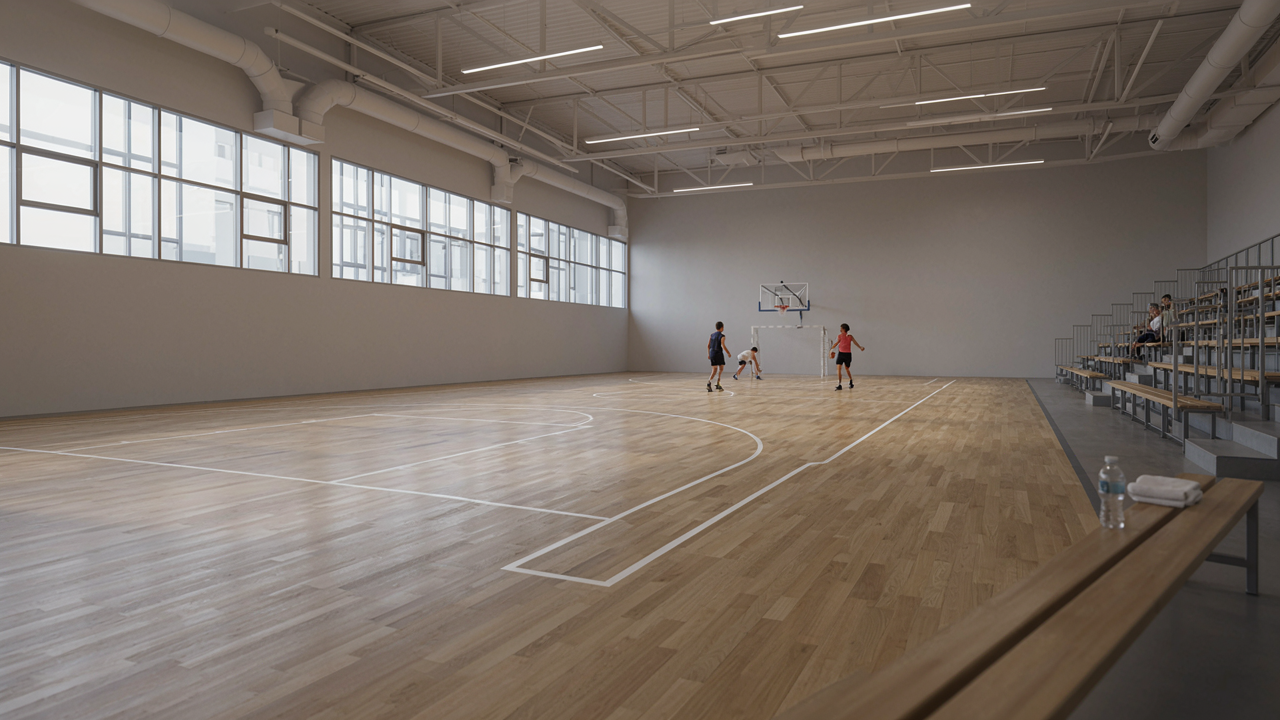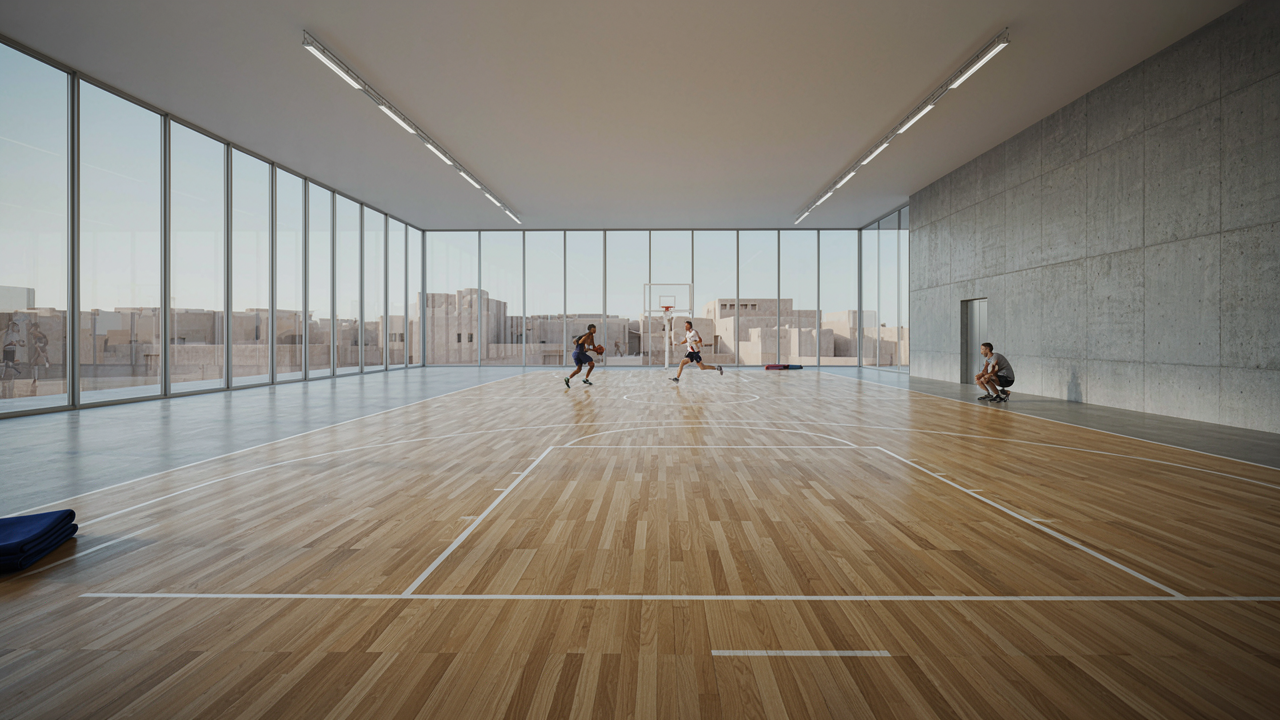
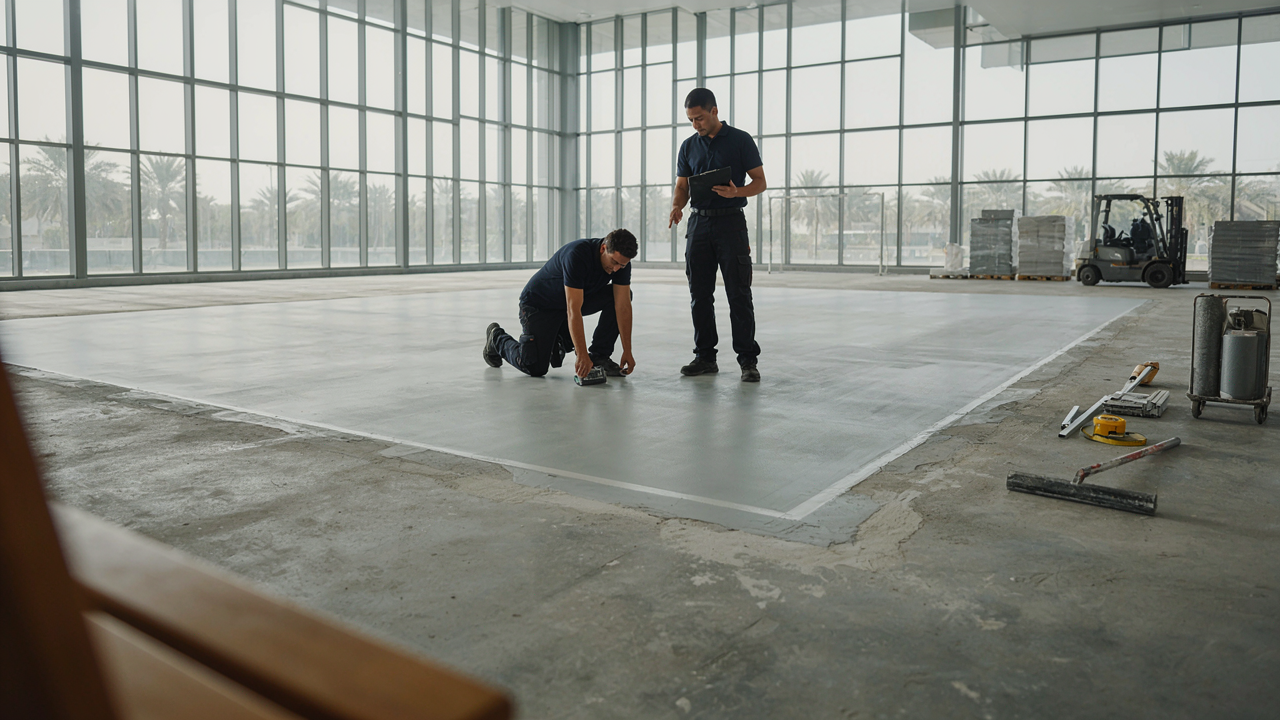
A high-quality sports flooring system starts with a properly prepared surface. Whether a facility is installing PU flooring, acrylic sports flooring, rubber flooring, wooden sports flooring or an EPDM surface, the condition of the underlying base can significantly affect the performance and durability of the finished floor.
For facilities planning sports flooring surface preparation in the UAE, the preparation process should be treated as an essential part of the flooring project rather than a minor step before installation.
Dust, cracks, uneven areas, moisture, loose materials and existing surface damage can all affect the way a new flooring system performs. Addressing these conditions before installation can help create a more stable and consistent base.
This guide explains the importance of sports flooring surface preparation, the main stages involved and the factors UAE sports facilities should consider before installing or resurfacing a sports floor.
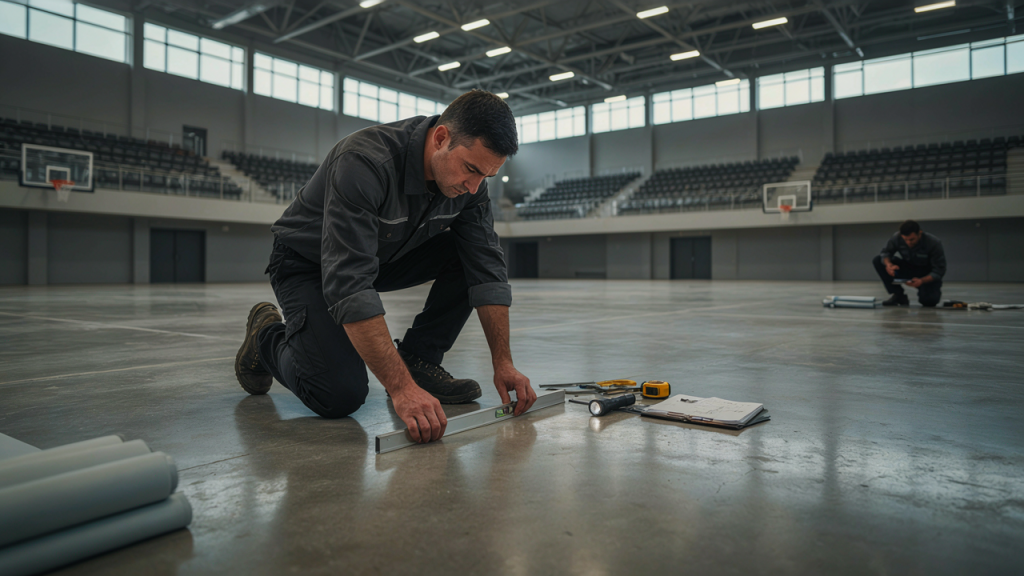
What Is Sports Flooring Surface Preparation?
Sports flooring surface preparation is the process of preparing the existing substrate so that it is suitable for a new sports flooring system.
The preparation requirements depend on the type of flooring being installed and the condition of the existing surface.
Preparation may include:
- Cleaning the existing surface
- Removing loose materials
- Repairing cracks
- Filling holes and damaged areas
- Levelling uneven sections
- Removing old coatings where required
- Checking moisture conditions
- Preparing the surface for adhesion
- Inspecting drainage where applicable
The objective is to provide a clean, stable and suitable base for the selected sports flooring system.
Why Is Surface Preparation Important?
The flooring material itself is only one part of a sports flooring project.
If the underlying surface is unsuitable, problems may appear even when high-quality flooring materials are used.
Poor preparation can contribute to:
- Uneven flooring
- Poor adhesion
- Cracking
- Peeling
- Surface movement
- Premature wear
- Water-related damage
- Visible imperfections
Professional preparation helps reduce these risks and provides a more suitable foundation for installation.
Which Sports Flooring Systems Require Surface Preparation?
Almost every sports flooring system requires some level of substrate preparation.
PU Sports Flooring
PU sports flooring requires a suitable and properly prepared base to achieve consistent adhesion and surface performance.
Any significant cracks, contamination or uneven areas should be assessed before installation.
Acrylic Sports Flooring
Outdoor acrylic sports courts require careful preparation of the concrete or asphalt base.
Cracks, surface irregularities and drainage issues should be considered before acrylic layers are applied.
Rubber Sports Flooring
Rubber flooring requires a clean, stable and sufficiently level substrate.
Dust, grease, loose material and other contaminants should be removed before installation.
Wooden Sports Flooring
Wooden sports flooring requires careful preparation of the subfloor.
Level, moisture and stability conditions are particularly important because the wooden surface forms part of a larger flooring system.
EPDM Sports Flooring
EPDM systems also depend on proper preparation of the underlying base.
For outdoor applications, drainage, levels and substrate stability should be assessed before the rubber surface is installed.
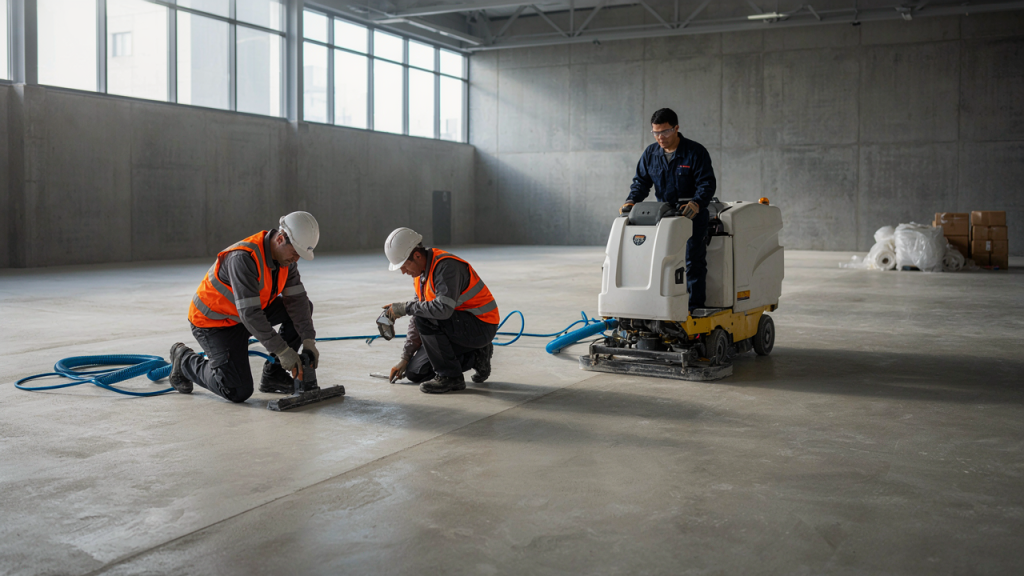
Sports Flooring Surface Preparation Process
The exact process depends on the flooring system and site conditions, but professional preparation generally includes several stages.
1. Site Inspection
The first step is a detailed inspection of the existing surface.
The contractor should identify:
- Cracks
- Uneven areas
- Surface contamination
- Loose materials
- Existing coatings
- Moisture concerns
- Drainage problems
- Damaged sections
The intended use of the facility should also be considered.
A basketball court, gym, running area and multipurpose sports hall can have different flooring requirements.
2. Cleaning the Surface
The existing surface needs to be thoroughly cleaned before further preparation work.
Dust, dirt, grease, loose particles and other contaminants can interfere with the adhesion of the new flooring system.
Depending on the existing surface, cleaning may involve mechanical cleaning, sweeping, vacuuming or other suitable methods.
The cleaning method should be appropriate for the substrate and selected flooring system.
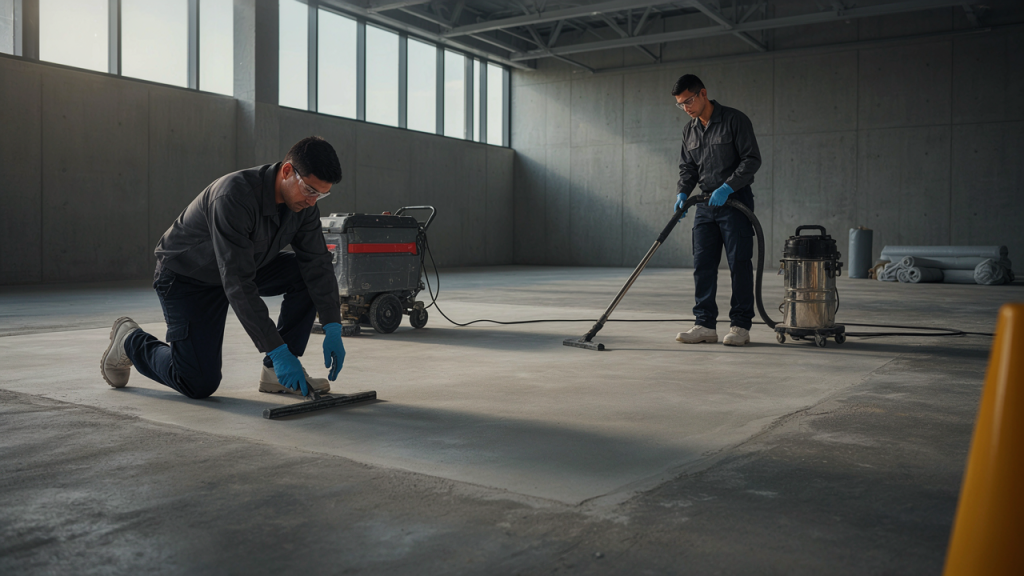
3. Removing Loose or Damaged Material
Any loose or unstable material should be removed.
This may include:
- Loose concrete
- Flaking coatings
- Damaged flooring
- Loose particles
- Old adhesive
- Unstable surface sections
Installing a new flooring system over unstable material can create problems later.
The surface should therefore be stable before the next stage begins.
4. Crack and Damage Repair
Existing cracks and damaged sections should be inspected before installation.
Not every crack requires the same repair method. The appropriate solution depends on the size, location and cause of the damage.
Repair work may include:
- Crack filling
- Patching damaged areas
- Replacing damaged sections
- Treating joints
- Repairing localised surface defects
For more extensive structural problems, additional investigation may be required before installing a new sports surface.
5. Levelling the Surface
Sports flooring requires an appropriately prepared and consistent base.
Uneven areas can affect the appearance and performance of the finished surface.
Depending on the substrate and flooring system, levelling work may be required to correct:
- Low spots
- High areas
- Surface irregularities
- Uneven transitions
The required level of preparation depends on the specifications of the selected flooring system.
6. Moisture Assessment
Moisture is an important consideration for many flooring systems.
Excessive moisture in a substrate can affect adhesion and may contribute to flooring problems over time.
This is particularly important for indoor flooring systems and projects involving concrete substrates.
Before installation, the contractor should assess the substrate conditions and follow the flooring manufacturer’s requirements for moisture levels.
7. Surface Profiling or Mechanical Preparation
Some flooring systems may require mechanical preparation to create the appropriate surface condition.
Depending on the substrate, methods may include grinding or other suitable mechanical preparation techniques.
The objective is to remove unsuitable surface material and create an appropriate base for the selected flooring system.
The method should be selected according to the substrate and manufacturer’s installation requirements.
8. Primer or Bonding Preparation
Certain flooring systems require a primer before the main surface layers are applied.
A primer can help improve adhesion between the prepared substrate and the flooring system.
The correct primer depends on:
- Substrate type
- Flooring material
- Existing surface condition
- Manufacturer requirements
Using an incompatible primer can create adhesion problems, so product compatibility is important.
9. Final Inspection Before Installation
Before the sports flooring system is installed, the prepared surface should be inspected again.
The contractor should confirm that:
- The surface is clean
- Repairs are complete
- The substrate is sufficiently level
- Loose material has been removed
- Moisture conditions are acceptable
- The surface is ready for the selected flooring system
Only after the preparation requirements have been met should the installation proceed.
Surface Preparation for Outdoor Sports Courts
Outdoor sports courts require additional considerations because they are exposed to weather and environmental conditions.
For acrylic courts and other outdoor sports surfaces, contractors should assess:
Drainage
Water should be able to leave the court effectively.
Poor drainage can result in standing water and contribute to surface deterioration.
Cracks
Outdoor concrete and asphalt surfaces can develop cracks due to movement, temperature changes and other factors.
Existing cracks should be assessed before resurfacing.
Surface Contamination
Dust, dirt, oil and other contaminants can affect the adhesion of coatings.
The court should be thoroughly cleaned before the surface system is applied.
Existing Coatings
If an old coating is present, its condition should be evaluated.
Loose, peeling or incompatible coatings may need to be removed before the new system is installed.
Surface Preparation for Indoor Sports Flooring
Indoor sports flooring also requires careful preparation.
For gyms, sports halls and indoor courts, the contractor may need to assess:
- Concrete condition
- Level differences
- Moisture
- Existing flooring
- Adhesive residue
- Dust and contamination
- Expansion or movement joints
The preparation requirements can vary significantly between rubber, PU and wooden flooring systems.
Surface Preparation Before Resurfacing
Surface preparation is particularly important when an existing sports court is being resurfaced.
A new coating should not simply be applied over a deteriorating surface without first determining why the existing surface has failed.
The contractor should inspect:
- Existing cracks
- Peeling areas
- Worn coatings
- Drainage
- Surface contamination
- Structural condition
If the existing base is still suitable, preparation and resurfacing may be possible.
If there are significant structural problems, more extensive repair work may be required first.
For related information, see our content on Sports Flooring Resurfacing UAE and Sports Flooring Repair UAE.
Common Problems Caused by Poor Surface Preparation
Inadequate preparation can create several problems after installation.
Peeling
Poor adhesion between the substrate and flooring system can cause sections of the surface to peel.
Cracking
Existing cracks that are not properly assessed or treated may become visible through the new surface.
Uneven Appearance
Surface irregularities can remain visible after the new flooring is installed.
Premature Wear
A flooring system installed over an unsuitable base may deteriorate earlier than expected.
Water-Related Damage
For outdoor courts, inadequate drainage or moisture management can contribute to surface deterioration.
Adhesion Failure
Dust, grease, moisture or unsuitable existing coatings can interfere with the bond between layers.
How UAE Conditions Affect Surface Preparation
Sports flooring projects in the UAE need to account for local environmental conditions.
Outdoor facilities may be exposed to:
- High temperatures
- Strong sunlight
- Dust
- Seasonal rainfall
- Heavy foot traffic
Indoor facilities may also require careful control of temperature and humidity during certain installation processes.
The installation team should follow the flooring manufacturer’s recommendations regarding application conditions, curing and environmental requirements.
Choosing the Right Preparation Method
There is no single preparation method suitable for every sports flooring project.
The correct approach depends on:
- Existing substrate
- Flooring system
- Surface condition
- Indoor or outdoor location
- Moisture conditions
- Existing coatings
- Extent of damage
- Intended sports activity
For example, preparation for an outdoor acrylic court may be different from preparation for an indoor wooden sports floor.
A professional site inspection should therefore be completed before deciding on the preparation method.
Surface Preparation and Sports Flooring Lifespan
Proper preparation can contribute to the long-term performance of a sports flooring system.
However, preparation alone does not determine the lifespan of a sports floor.
Other factors include:
- Flooring material quality
- Installation quality
- Daily usage
- Maintenance
- Environmental exposure
- Repair history
- Drainage
A properly prepared surface gives the flooring system a suitable foundation, while regular maintenance helps protect it after installation.
For more information, see our guide on Sports Flooring Lifespan UAE.
Surface Preparation Before Sports Flooring Installation
When planning a new sports flooring project, preparation should be included in the project from the beginning.
A typical sequence is:
Site inspection → Cleaning → Damage repair → Levelling → Moisture assessment → Surface preparation → Primer if required → Final inspection → Flooring installation
Following a structured process helps ensure that the selected flooring system is installed on a suitable base.
Choosing a Sports Flooring Contractor in the UAE
The preparation stage requires experience with different substrates and sports flooring systems.
When choosing a contractor, facility owners should consider:
- Experience with sports flooring projects
- Knowledge of different flooring systems
- Surface preparation methods
- Repair capabilities
- Installation experience
- Understanding of indoor and outdoor applications
- Maintenance and resurfacing support
A contractor should inspect the existing surface rather than recommending a flooring system without understanding the site conditions.
Why Professional Surface Preparation Matters
Sports flooring is a long-term investment for schools, gyms, clubs, sports academies and commercial facilities.
Skipping or reducing the preparation stage may create problems that become more expensive to address later.
Professional preparation helps create a cleaner, more stable and more suitable foundation for the selected flooring system.
Whether the project involves PU, acrylic, rubber, wooden or EPDM sports flooring, the preparation process should be planned according to the specific requirements of the material and facility.
Conclusion
Sports flooring surface preparation in the UAE is an important part of creating a durable and consistent sports floor.
From site inspection and cleaning to crack repair, levelling, moisture assessment and final preparation, each stage helps create the right foundation for the flooring system.
The preparation method should always be based on the existing substrate, selected flooring material, facility requirements and environmental conditions.
For facilities planning a new installation, repair or resurfacing project, a professional assessment of the existing surface can help determine the preparation work required before the flooring is installed.
With proper preparation, professional installation and regular maintenance, sports facilities can create flooring systems that are better suited to their intended use and long-term performance.