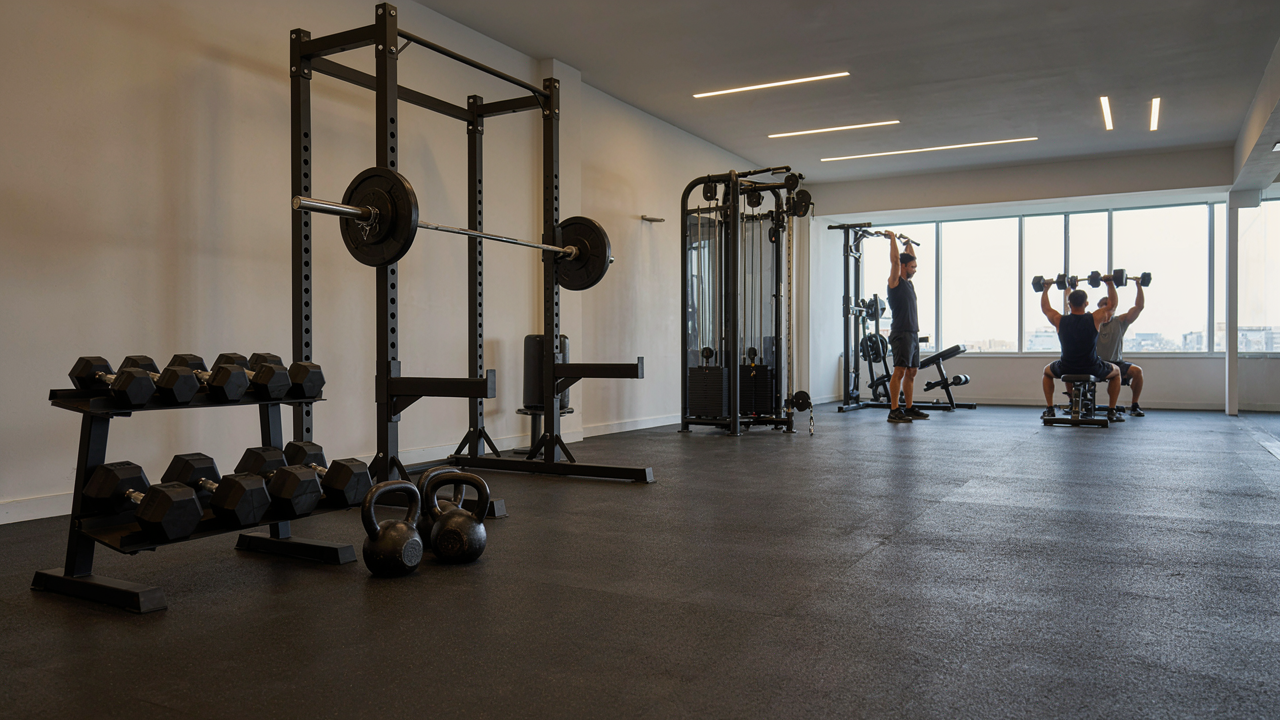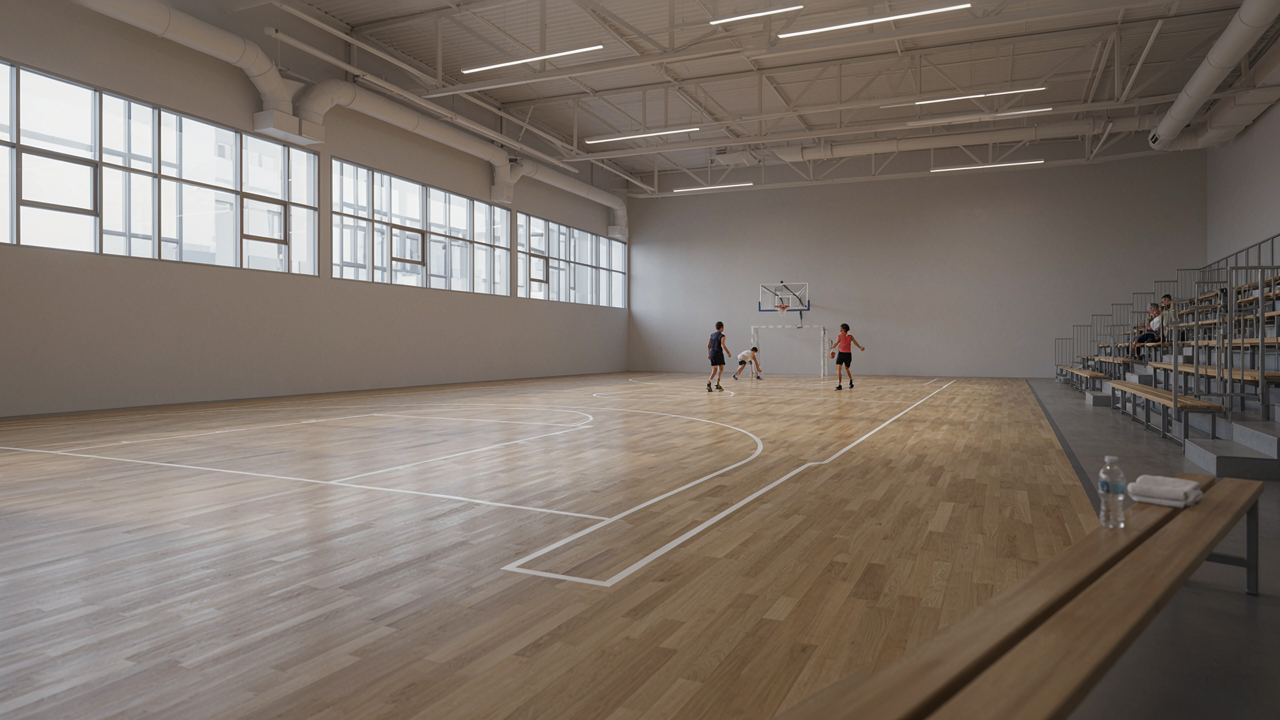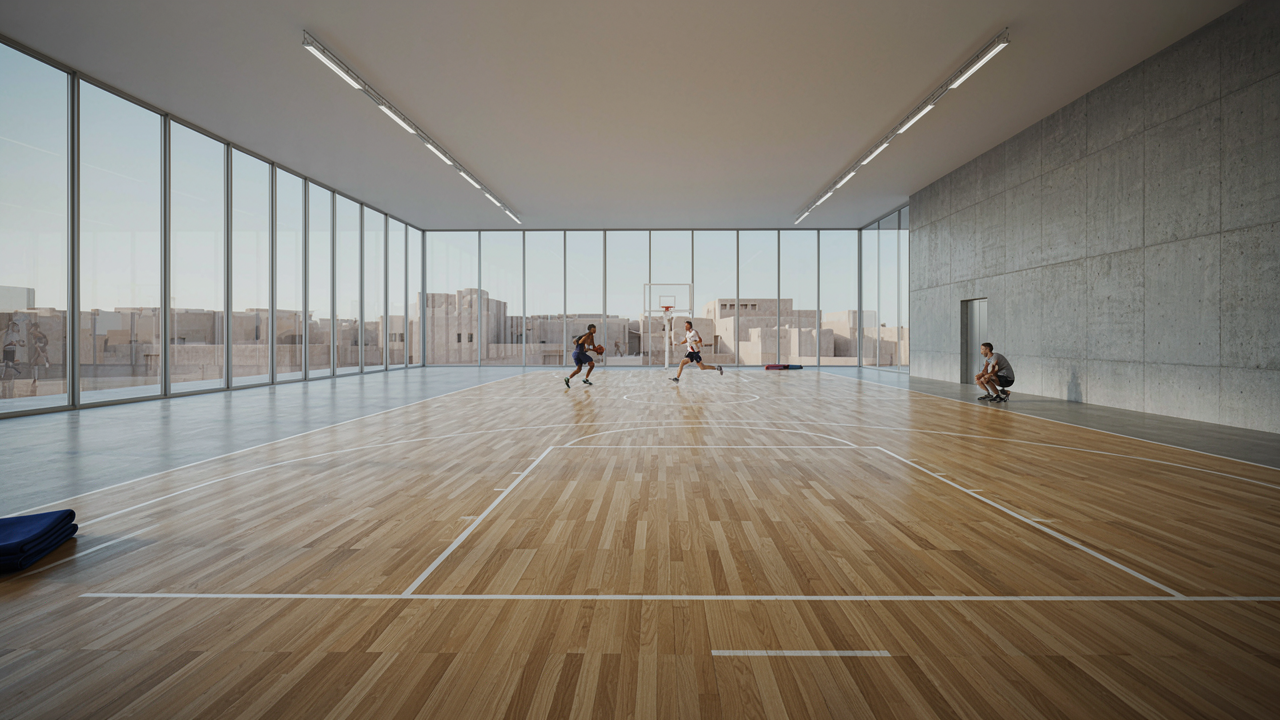
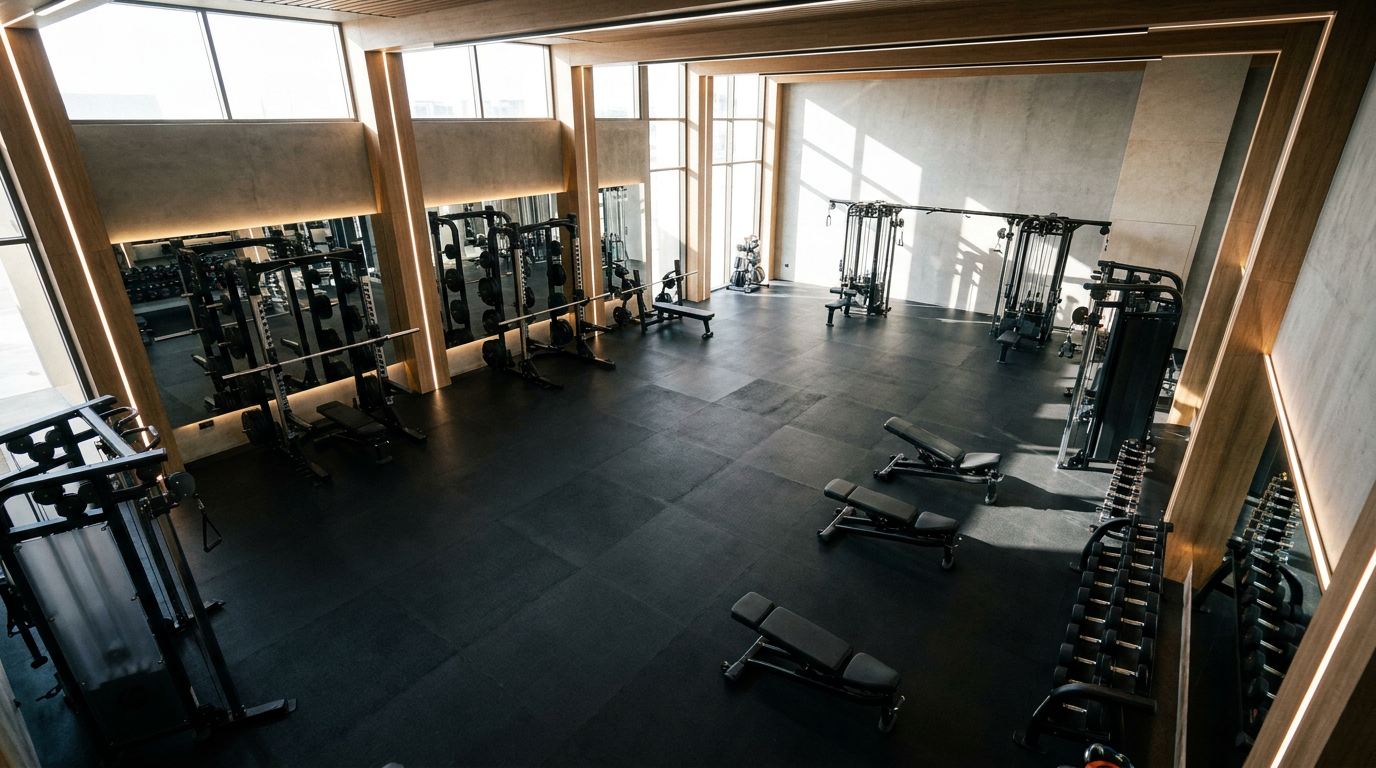
Rubber sports flooring is widely used in gyms, fitness centres, training facilities, indoor sports areas and other high-activity spaces where safety, durability and comfort are important. When properly installed, rubber flooring provides a resilient surface that can handle regular impact, foot traffic and demanding workouts.
For facilities looking for rubber sports flooring in the UAE, professional installation is an important part of achieving the required performance and durability. The installation process involves more than simply placing rubber flooring over an existing surface. Proper site assessment, substrate preparation, adhesive application and finishing all contribute to the quality of the final sports floor.
This guide explains the rubber sports flooring installation process, its benefits, common applications and the factors facility owners should consider before installation.
What Is Rubber Sports Flooring?
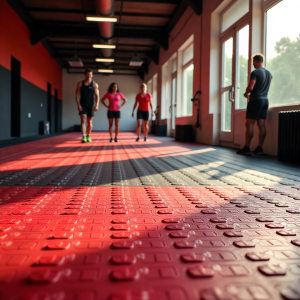
Rubber sports flooring is a resilient flooring system made from rubber materials designed to withstand repeated impact and heavy use. Depending on the application, rubber flooring can be supplied in rolls, tiles or other flooring formats.
It is commonly selected for spaces where users need a surface with good traction, impact absorption and resistance to wear.
Rubber flooring can be suitable for:
- Gyms and fitness centres
- Strength and conditioning areas
- Indoor training facilities
- Sports clubs
- School fitness areas
- Exercise studios
- Multi-purpose activity spaces
- Weight-training zones
The appropriate rubber flooring type depends on the activities taking place, expected traffic, installation area and performance requirements.
Why Professional Rubber Sports Flooring Installation Matters
The quality of a sports floor depends not only on the flooring material but also on how it is installed.
A poorly prepared substrate, incorrect adhesive application or inadequate joint finishing can lead to problems such as movement, lifting, gaps or premature wear.
Professional rubber flooring installation in the UAE normally begins with an assessment of the existing surface. Installers can identify uneven areas, cracks, moisture concerns or other conditions that may need attention before the flooring is installed.
Proper installation helps create a stable and consistent surface that is better suited to regular sports and fitness activities.
Rubber Sports Flooring Installation Process
The installation process can vary depending on the flooring system and facility, but several important stages are normally involved.
1. Site Inspection
The first step is to inspect the installation area.
The condition of the existing floor, dimensions, access, drainage where relevant and intended use of the space should be assessed before work begins.
The expected level of activity also needs to be considered. A flooring system designed for a gym weight area may have different requirements from one intended for a general training space.
2. Substrate Preparation
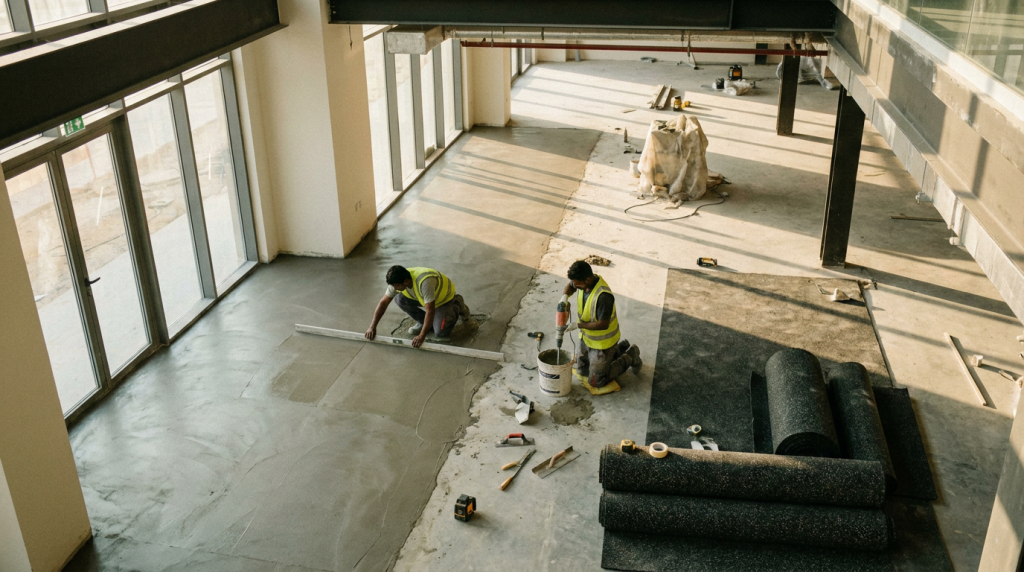
Surface preparation is one of the most important stages of rubber sports flooring installation.
The substrate should be clean, dry, stable and sufficiently level. Dust, loose material, grease and other contaminants should be removed before installation.
Cracks, holes or uneven sections may also need to be repaired or levelled.
Installing rubber flooring over an unsuitable surface can affect the appearance and performance of the finished floor.
3. Measuring and Planning
Before the rubber flooring is placed, the installation area should be measured carefully.
The installer can determine the required material quantity and plan the layout to minimise unnecessary joints and material waste.
For larger sports or fitness facilities, careful planning can also help maintain a consistent appearance across the entire floor.
4. Flooring Installation
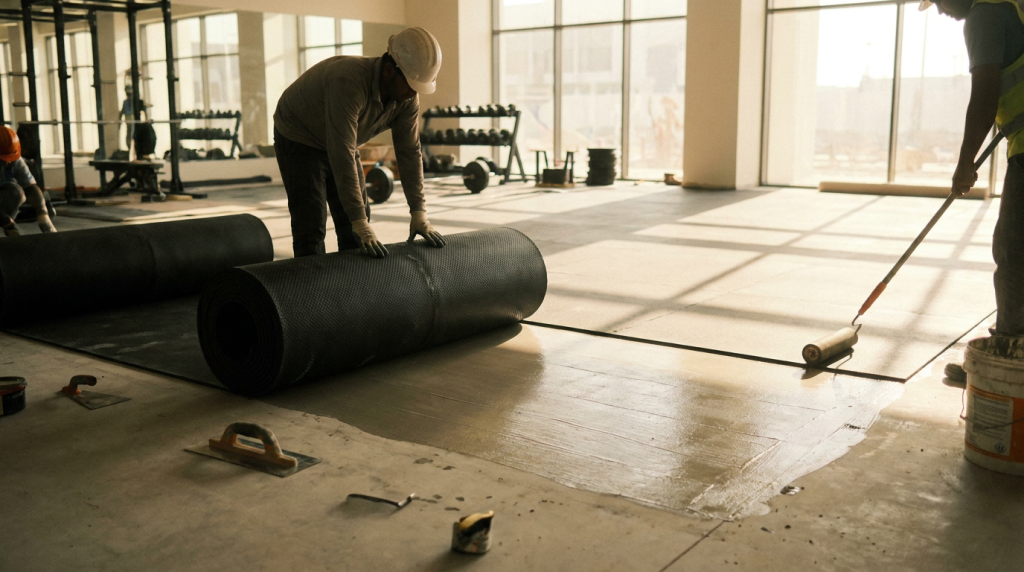
Depending on the product, rubber sports flooring may be installed using rolls, tiles or other systems.
Adhesive requirements vary between products and applications. The appropriate adhesive should be applied according to the manufacturer’s specifications.
The flooring is then positioned carefully to maintain proper alignment and minimise visible gaps between sections.
5. Joint and Edge Finishing
Joints and edges need particular attention during installation.
Poorly finished joints can become noticeable during use and may allow sections of flooring to move or deteriorate over time.
Edges around walls, equipment areas and transitions to other flooring materials should also be finished appropriately.
6. Final Inspection
After installation, the completed surface should be inspected for alignment, adhesion, visible gaps, uneven sections and finishing quality.
The flooring may also require an appropriate curing period before heavy use, depending on the adhesive and installation system.
Following the manufacturer’s recommendations before opening the facility for normal use can help protect the newly installed floor.
Benefits of Rubber Sports Flooring
Rubber flooring is popular for demanding sports and fitness environments because of several practical characteristics.
Impact Absorption
Rubber flooring can help absorb some of the impact created by exercise and movement. This makes it useful in areas where repeated foot strikes, equipment movement and training activities take place.
Comfortable Underfoot
Compared with many harder flooring surfaces, rubber can provide a more resilient surface underfoot. This can be useful for users spending long periods exercising or training.
Good Traction
A suitable rubber sports floor can provide good grip for a range of indoor fitness and training activities. The exact traction characteristics depend on the flooring product and surface finish.
Durability
Rubber flooring is designed for demanding environments and can withstand regular foot traffic and repeated use when the correct product is selected and properly maintained.
Easy Maintenance
Regular cleaning and timely attention to spills, stains or damaged sections can help keep rubber flooring in good condition.
Where Is Rubber Sports Flooring Used?
Rubber flooring can be used across different types of sports and fitness facilities.
Gyms and Fitness Centres
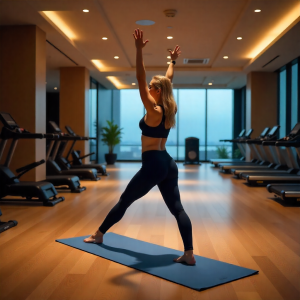
Gyms often require flooring that can handle constant foot traffic, exercise equipment and repeated impact. Rubber is commonly used in weight-training and functional training areas.
Strength Training Areas
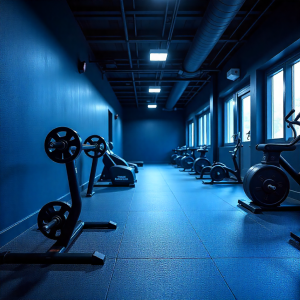
Heavy equipment and repeated movement can place considerable demands on the floor. A suitable rubber flooring system can provide a resilient surface for these areas.
Indoor Training Facilities
Sports academies and training centres can use rubber flooring in dedicated indoor training zones where durability and traction are important.
Schools and Sports Facilities
Rubber flooring can also be considered for selected areas in schools, sports clubs and community facilities depending on the activities and performance requirements.
Rubber Flooring for Gyms in the UAE
Gym flooring needs to withstand more than normal pedestrian traffic.
Free weights, resistance equipment, cardio machines and repeated training movements can create different types of stress on the floor.
For this reason, choosing the right rubber gym flooring in the UAE requires consideration of factors such as:
- Type of exercise
- Equipment weight
- Expected daily usage
- Required impact resistance
- Surface grip
- Cleaning requirements
- Available installation area
A professional flooring contractor can help determine the appropriate flooring specification based on the facility’s requirements.
Considerations for Rubber Flooring in UAE Facilities
The UAE climate and operating environment should also be considered when planning sports flooring.
Indoor facilities may experience significant temperature differences between air-conditioned spaces and areas affected by outdoor heat during installation or maintenance work.
The condition of the building, ventilation, substrate and installation environment should therefore be assessed before the flooring is installed.
For facilities with high daily usage, maintenance planning should also be considered from the beginning.
Maintaining Rubber Sports Flooring
Proper maintenance can help extend the useful life of a rubber sports floor.
A regular maintenance routine may include:
- Removing dust and loose debris
- Cleaning the surface with suitable products
- Addressing spills promptly
- Avoiding unsuitable harsh chemicals
- Checking high-traffic areas regularly
- Inspecting joints and edges
- Repairing damaged sections when necessary
Cleaning methods should always follow the flooring manufacturer’s recommendations.
Regular inspection is particularly useful in gyms and training facilities because small areas of damage can become more noticeable when the floor is exposed to continuous heavy use.
Common Rubber Flooring Problems
Even durable flooring can develop issues if it is exposed to excessive use, poor maintenance or installation problems.
Some common issues include:
- Loose or lifted sections
- Damaged edges
- Open joints
- Surface wear
- Cuts or punctures
- Staining
- Adhesive failure
- Uneven areas
The correct solution depends on the cause and extent of the problem.
Minor localised damage may be suitable for repair, while larger or widespread deterioration may require replacement of sections or a more extensive flooring solution.
Rubber Sports Flooring Repair and Replacement
Repair should generally be considered when damage is limited to specific areas and the surrounding flooring remains in good condition.
For example, a damaged tile or section may be replaced without removing the entire floor.
However, if the flooring has widespread deterioration, significant adhesive failure or extensive damage, replacement may need to be considered.
Regular inspections and timely maintenance can help facility owners identify these issues before they become more extensive.
How Long Does Rubber Sports Flooring Last?
The lifespan of rubber sports flooring depends on several factors, including:
- Flooring quality
- Installation quality
- Amount of daily usage
- Type of activities
- Cleaning and maintenance
- Exposure to heavy equipment
- Environmental conditions
A well-installed and properly maintained floor can provide long-term service, but there is no single lifespan that applies to every rubber sports flooring system.
For this reason, maintenance and regular inspections should be part of the facility’s flooring plan.
Choosing a Rubber Sports Flooring Contractor in the UAE
Selecting the right installation contractor is an important part of the project.
Before starting work, facility owners should consider:
- Previous sports flooring experience
- Installation methods
- Flooring product specifications
- Substrate preparation process
- Quality of finishing
- Maintenance support
- Repair and replacement services
The contractor should understand the intended use of the facility rather than simply supplying and installing a generic flooring product.
The flooring system should be selected according to the activities, expected usage and requirements of the specific sports or fitness environment.
Rubber Sports Flooring Installation vs Other Flooring Systems
Different sports facilities require different flooring solutions.
Rubber flooring can be suitable for gyms, training spaces and areas requiring impact resistance and durability. Other systems, such as PU sports flooring, acrylic surfaces or specialised sports flooring systems, may be more appropriate for different applications.
The decision should be based on factors such as:
- Indoor or outdoor use
- Type of sport
- Impact requirements
- Surface characteristics
- Maintenance needs
- Expected traffic
- Facility design
Choosing flooring based on the actual application can help achieve better long-term performance.
Why Installation Quality Should Be a Priority
Sports flooring is used regularly by athletes, students, gym members and other facility users. A floor that is properly prepared and installed provides a more consistent surface and helps reduce avoidable flooring problems.
For this reason, installation should be treated as an important part of the overall flooring project rather than simply the final step after selecting a product.
From substrate preparation to final inspection, each stage contributes to the performance and appearance of the completed floor.
Conclusion
Rubber sports flooring can be a practical option for gyms, fitness centres, training facilities and other high-use indoor spaces in the UAE. Its resilience, traction, durability and comfort make it suitable for a variety of demanding environments.
However, the performance of the flooring depends on selecting the right system and installing it correctly. Proper surface preparation, professional installation, suitable maintenance and timely repairs can all contribute to a longer-lasting sports floor.
If you are planning rubber sports flooring installation in the UAE, assessing the facility’s requirements before selecting the flooring system can help ensure the final solution is suitable for the intended use.