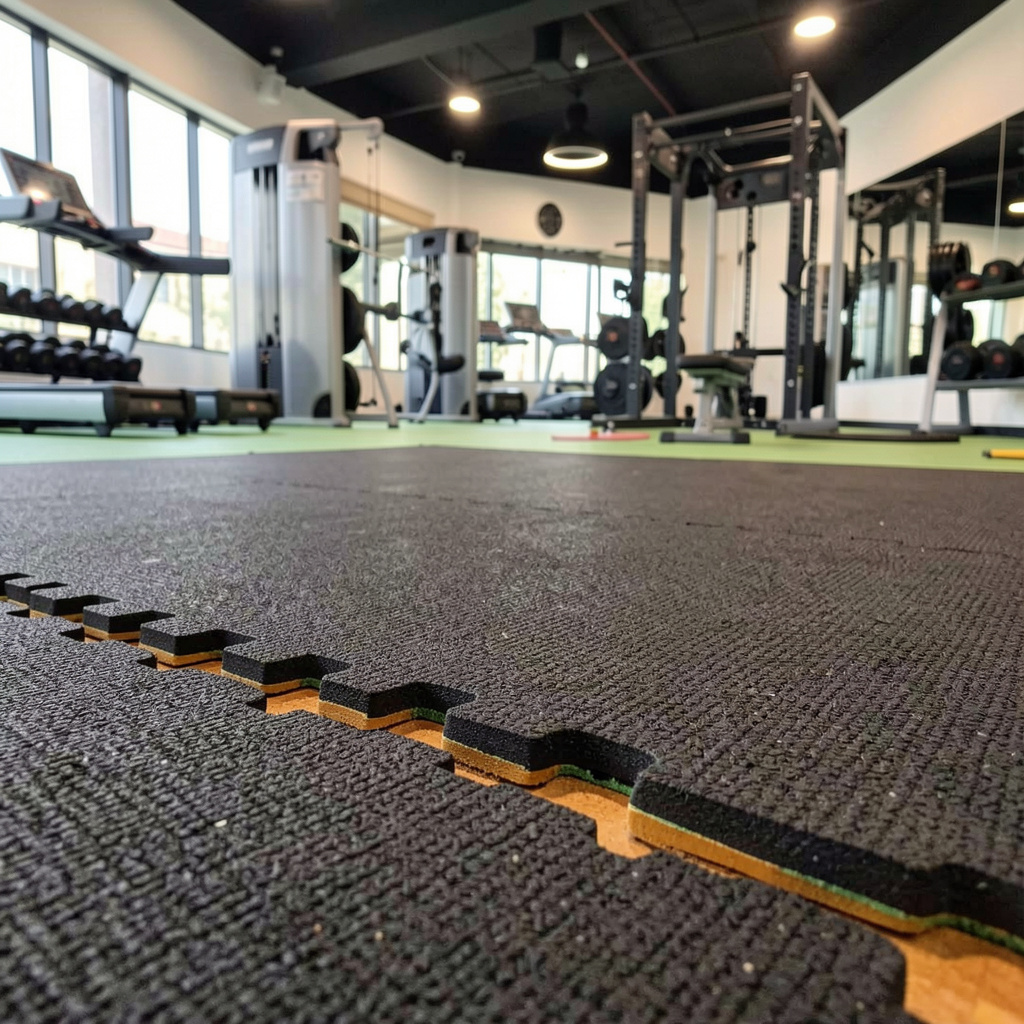

The rise of sports culture in the UAE has created a strong demand for reliable, durable, and professional-grade sports surfaces. Among these, football turf flooring in the UAE stands out as one of the most essential investments for schools, academies, clubs, residential communities, and multi-sport complexes. Whether it’s for 5-a-side, 7-a-side, or full-size pitches, the right turf directly impacts player safety, performance, and the long-term value of the facility.
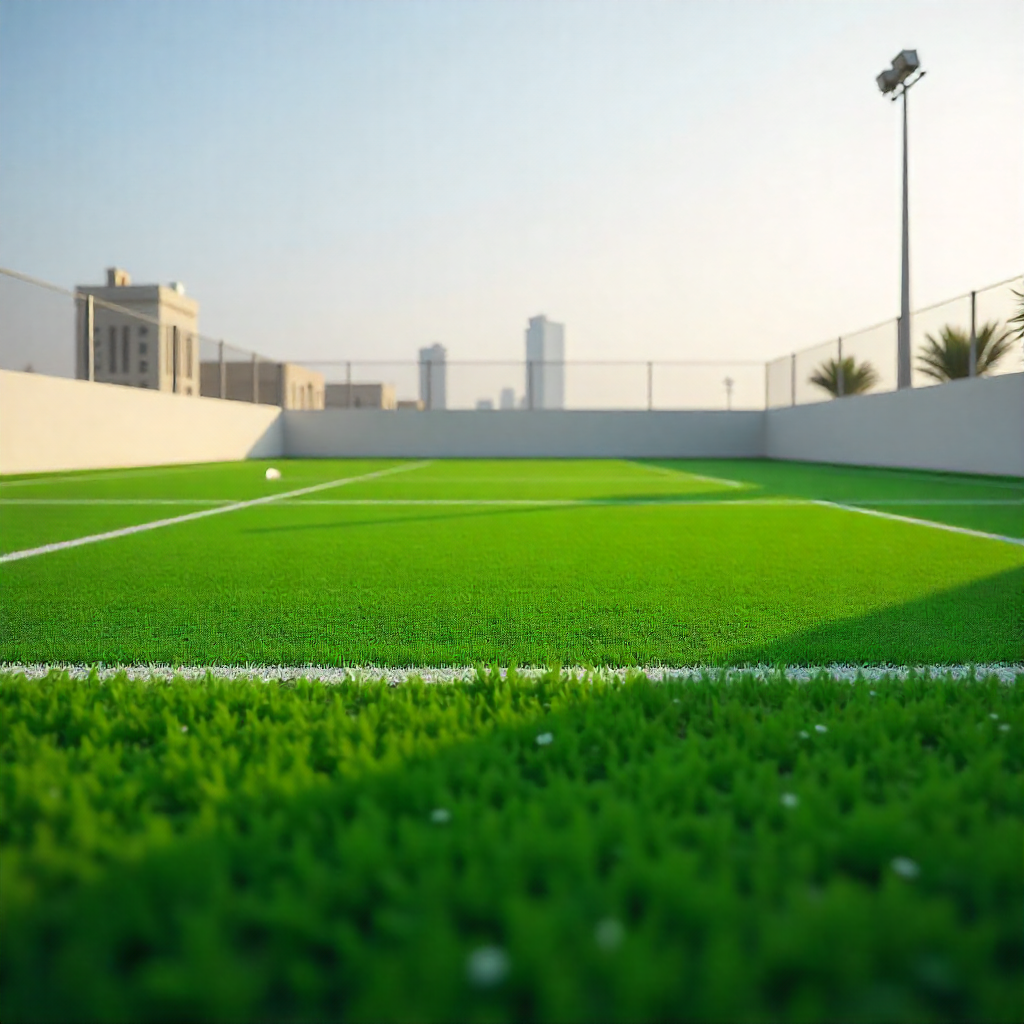
This blog explores everything you need to know about football turf flooring in the UAE, including materials, installation, climate considerations, maintenance, and how to choose the right contractor.
Why Football Turf Flooring Is Ideal for UAE Conditions
The UAE’s climate presents unique challenges: extreme heat, UV exposure, dust, and unpredictable rain. Natural grass struggles to survive these conditions, making artificial football turf the preferred solution.
Benefits of choosing football turf flooring UAE include:
- Consistent performance throughout the year
- Ability to withstand heavy usage
- Minimal maintenance compared to natural grass
- UV-resistant fibers suitable for harsh weather
- Shock absorption for injury prevention
- Long-lasting turf lifespan with proper care
For sports facilities looking to offer reliable, high-quality playing experiences, synthetic turf has become the industry standard.
Key Components of Quality Football Turf Flooring
Understanding the structure of a turf system helps you choose the right solution for your project.
1. UV-Resistant Synthetic Grass Fibers
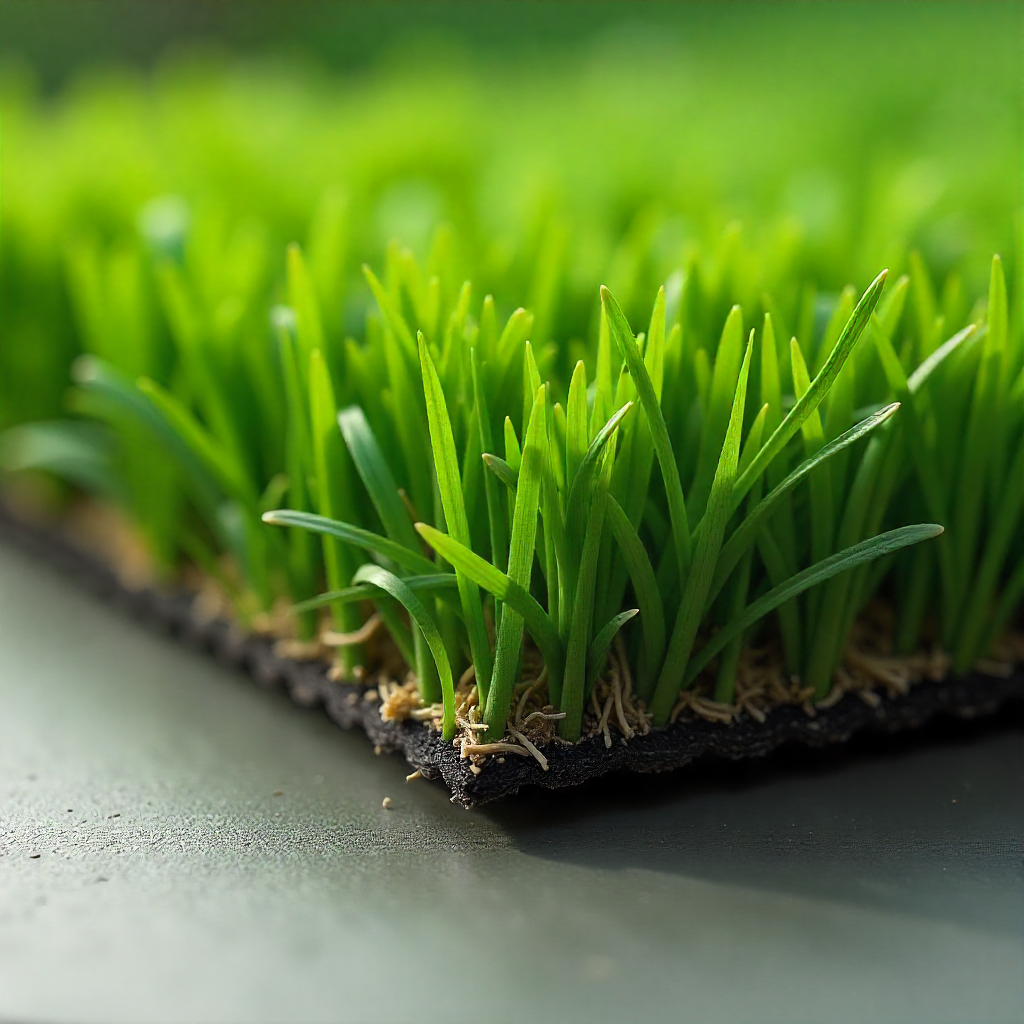
High-quality artificial grass uses polyethylene or polypropylene fibers designed to endure extreme sunlight without fading or hardening. Premium turf maintains its natural feel, color, and softness even after years of heavy use.
2. Shock Pad Underlay
A shock pad is an essential safety layer placed beneath the turf. It provides:
- Better shock absorption
- Reduced stress on ankles and knees
- Consistent ball response
- Longer turf life
Most modern pitches in the UAE prefer shock pads as they deliver a more comfortable and safe playing experience.
3. Infill Materials
Infill helps stabilize the turf, improves traction, and protects the fibers. Common infill types include:
- Silica sand: Adds stability and weight
- SBR rubber: Adds bounce and cushioning
- EPDM rubber: Offers superior durability and color options
- Hybrid infill: Combines sand and rubber for balanced performance
For multi-sport grounds, rubber-infill systems provide excellent player comfort.
4. Base & Drainage Layer
Proper base preparation is essential for durability. The UAE occasionally experiences sudden rainfall, so an efficient drainage system prevents waterlogging and prolongs turf life. For more guidance, refer to our blog on Proper Drainage in Outdoor Sports Flooring.
Indoor vs Outdoor Football Turf Flooring
Depending on your facility type, the flooring requirements differ.
Outdoor Football Turf UAE
Outdoor fields must handle intense heat and UV exposure. Key features include:
Extra UV protection
Heat-resistant fibers
Strong drainage systems
High-durability yarn
Stable infill to withstand wind and sand
Outdoor turf is ideal for:
Football academies
Stadiums
Community playgrounds
Residential society pitches
School sports grounds
For facilities exploring sustainable options, you can also check our guide on [Eco-Friendly Sports Flooring UAE] for greener material ideas.
Indoor Football Turf UAE
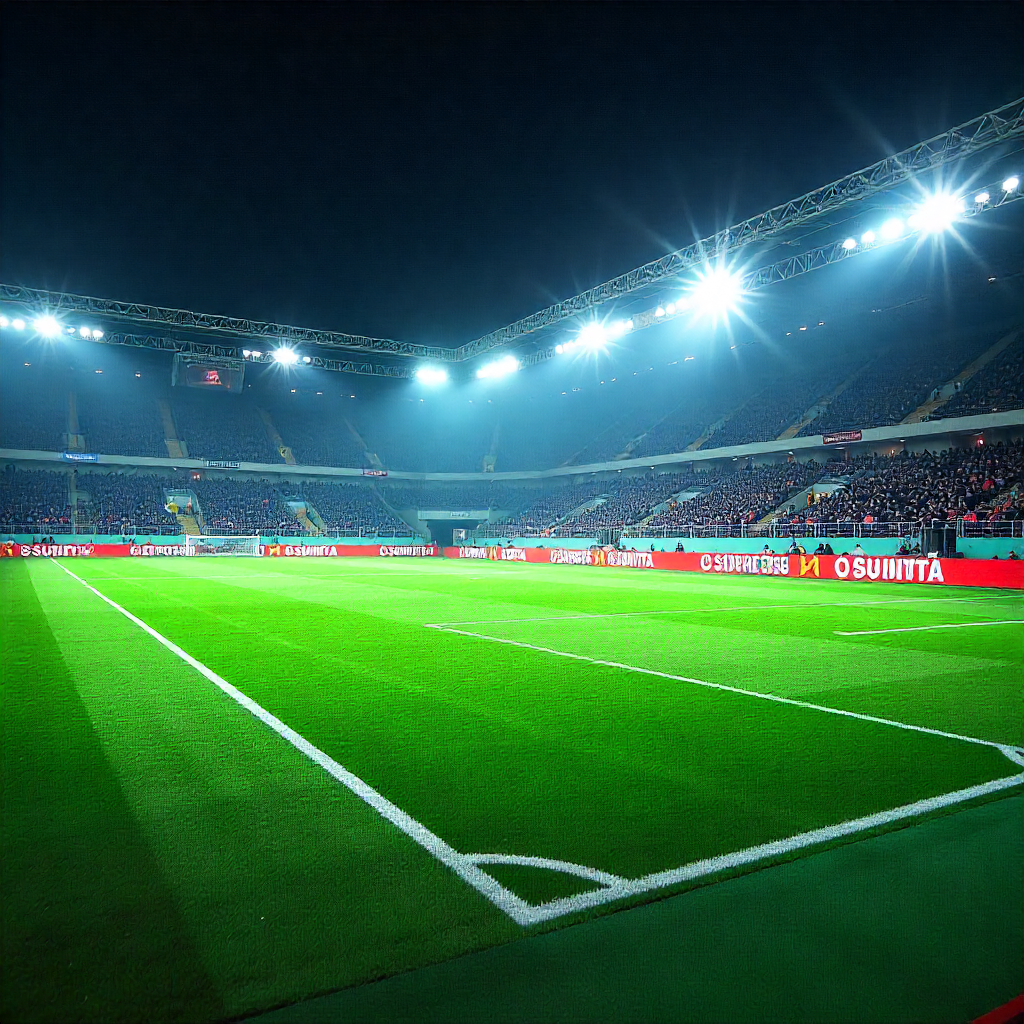
Indoor areas require flooring that meets cleanliness and safety standards. Indoor turf systems use:
Low-pile synthetic grass
Reduced or no rubber infill
Anti-slip underlay
Controlled bounce suitable for fast-paced play
This makes them perfect for indoor football arenas and recreational facilities.
If you’re building a multi-sport indoor venue, our blog on [Sports Facility Contractor UAE: Designing World-Class Athletic Spaces] explains how to optimize space and design.
Football Turf Flooring Installation: Step-by-Step Process
Professional installation ensures the turf performs well and lasts long. Here’s how expert contractors complete the process:
Step 1: Site Inspection & Measurement
The contractor assesses the ground condition, space availability, and drainage needs.
Step 2: Base Preparation
This includes ground leveling, compacting, and installing a proper drainage system.
Step 3: Shock Pad Installation
Shock pads are laid evenly to ensure uniform cushioning.
Step 4: Turf Laying and Joining
Synthetic grass rolls are laid, cut, and joined using durable adhesives.
Step 5: Infill Application
Silica sand and rubber infill are spread evenly.
Step 6: Line Marking
Permanent or removable markings are added.
Maintenance Tips for Football Turf in UAE
Even though artificial turf is low-maintenance, regular care ensures longevity and player safety.
Weekly Maintenance
Brush blades upright
Remove dust and debris
Check infill levels
Monthly Maintenance
Rinse turf
Inspect seams and joints
Sanitize field
Seasonal Maintenance
Deep-clean infill
Repair worn-out areas
Adjust drainage
Planning courts alongside football turf? Our blog on [Pickleball Court Construction UAE] helps you expand your facility smartly.
Cost Factors for Football Turf Flooring in UAE
Prices vary based on:
Turf quality & pile height
Shock pad thickness
Infill type
Base preparation
Indoor or outdoor installation
Pitch size
FIFA-certified systems cost more but offer superior durability and performance.
Choosing the Right Football Turf Contractor in the UAE
A professional contractor greatly influences turf lifespan and performance. Look for a team offering:
Premium, heat-resistant turf systems
Shock pad guidance
Expert installation
Maintenance support
FIFA-approved options
Experience across sports such as padel, pickleball, and indoor arenas
For broader facility planning, you can also explore our guide on [Sports Facility Contractor UAE], which covers design and layout essentials.